Animal Guides / Conservation and reference
How to help wildlife
Practical actions that make a real difference, from native plants and bird-safe windows to keeping cats indoors, joining citizen science and choosing products carefully.
Small actions add up
The biggest threats to wildlife are habitat loss, overexploitation, invasive species, pollution, disease and climate change. Those are huge problems, but millions of people taking small actions at home, in their communities and as shoppers do make a measurable difference.
At home and in the garden
| Action | Who it helps |
|---|---|
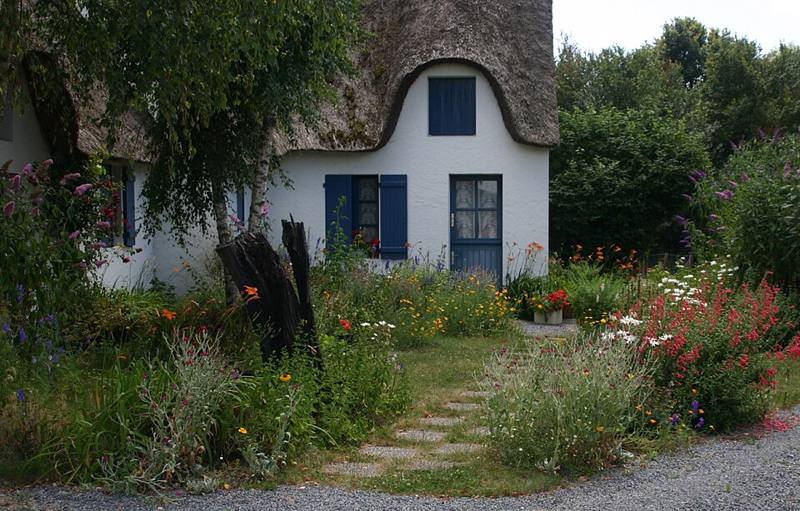
| Plant native flowers, shrubs and trees | Pollinators, birds, caterpillars |
| Leave some leaves, dead stems and logs | Overwintering insects, frogs, small mammals |
| Reduce or avoid pesticides | Bees, butterflies, birds that eat insects |
| Add a shallow water source | Birds and insects; clean it regularly |
| Install nest boxes suited to local species | Birds, bats |
| Replace part of a lawn with flowering plants | Pollinators |
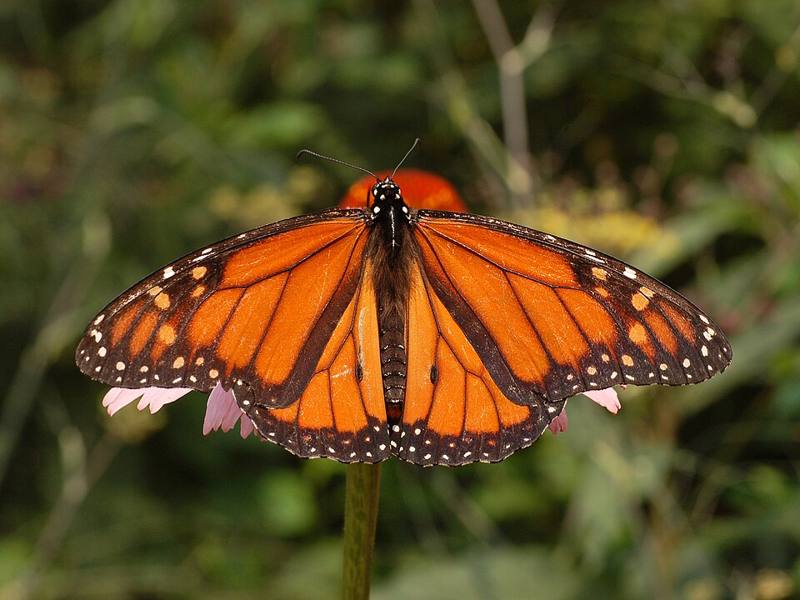
Native plants matter because many insects can only feed on the plants they evolved with. For example, monarch caterpillars depend on milkweed. See monarch butterfly.
Make windows safer for birds
Collisions with glass kill huge numbers of birds every year; studies estimate hundreds of millions in the United States alone. To help:
- Apply window markers, dots or tape on the outside of glass, spaced closely.
- Use screens or external shades.
- Move feeders either very close to windows (within about 3 feet) or far away (more than about 30 feet).
- Turn off unnecessary lights at night during migration seasons.
Keep cats safe and wildlife safe
Free-roaming domestic cats kill large numbers of birds, small mammals and reptiles. Keeping cats indoors, or giving them an enclosed outdoor space, protects both cats and wildlife. See cat care basics.
Be a citizen scientist
Scientists rely on volunteers to track wildlife. You can:
- Log bird sightings in bird-recording apps and annual bird counts.
- Photograph and upload plants and animals to biodiversity apps, where experts help identify them.
- Join butterfly, bee, frog or bat monitoring programs.
- Report sightings of injured or unusual animals to local wildlife agencies.
Your records help map species ranges, track migration and spot declines early.
Shop and travel carefully
- Choose seafood from well-managed fisheries, using sustainability guides.
- Avoid souvenirs made from wild animals, such as shells, coral, ivory and reptile skins.
- Never buy wild-caught exotic pets. See choosing a pet.
- Choose wildlife tourism operators that keep their distance from animals and do not offer handling, riding or selfies with wild animals. See watching wildlife responsibly.
Reduce pollution
- Cut single-use plastics and dispose of fishing line safely, since entanglement harms seabirds, turtles and marine mammals.
- Pick up litter on beaches and trails.
- Use less fertilizer, which can run off into waterways.
- Turn down outdoor lighting to reduce light pollution that confuses insects, birds and hatchling sea turtles.
Support conservation
- Donate to or volunteer with reputable conservation organizations, wildlife rescues and land trusts.
- Visit accredited zoos and aquariums that fund conservation and research.
- Support protected areas, wildlife corridors and wetland conservation in your community.
If you find injured wildlife
Do not try to raise or treat a wild animal yourself. Many young animals that seem abandoned are not. Contact a licensed wildlife rehabilitator or local wildlife agency for advice.
Pick one action this month, such as adding window markers or planting one native shrub. Small, lasting changes beat big plans that never start.