Choosing the right pet
Lifespan, space, cost, time and allergies matter more than looks. Compare common pets side by side and ask the right questions before you bring an animal home.

Start with honest questions
The best pet for you depends on your life, not just on which animal you love most. Before you choose, answer these honestly:
- How long can I commit? Some pets live 2 years, others 50 or more.
- How much time do I have each day? Dogs need hours of attention; fish need minutes, but every day.
- How much space do I have? Think about the adult size of the animal, not the baby.
- What can I afford? Food, housing, vet visits and emergencies all add up.
- Who is allergic? Allergies to cats, dogs, rabbits and hay are common.
- What do my lease or local rules allow?
- Who will care for the pet when I travel?
Common pets compared
| Pet | Typical lifespan | Daily time | Space | Social needs |
|---|---|---|---|---|
| Dog | About 10 to 15 years, varies by breed | High | Medium to large | Very high; needs people |
| Cat | About 12 to 18 years | Medium | Small to medium | Moderate |
| Rabbit | About 8 to 12 years | Medium to high | Large enclosure plus exercise space | High; best in pairs |
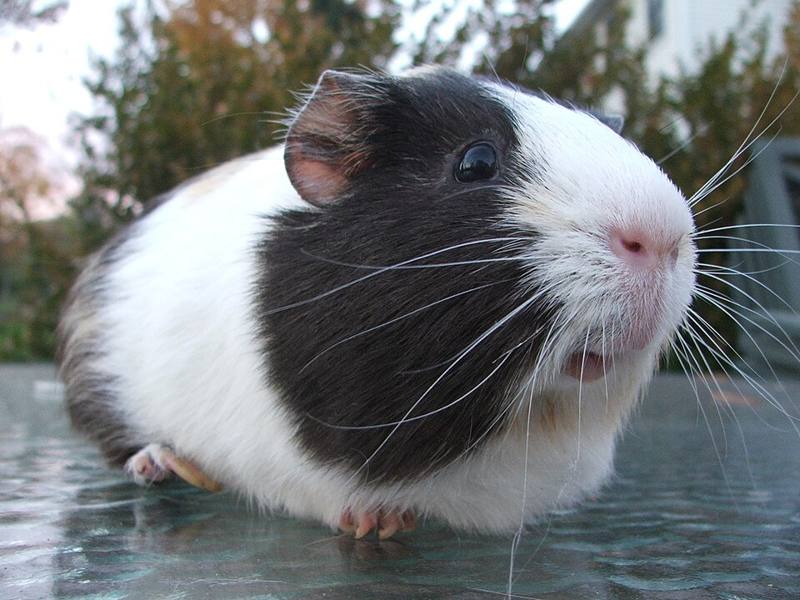
| Guinea pig | About 5 to 7 years | Medium | Large cage | High; should live in pairs or groups |
| Hamster | About 2 to 3 years | Low to medium | Large cage | Syrian hamsters live alone |
| Budgerigar | About 5 to 10 years or more | Medium | Large cage plus flight time | High; best in pairs |
| Goldfish | Often 10 years or more | Low | Large tank or pond | Social fish, best in groups |
| Large parrot | Can be 40 years or more | Very high | Very large | Very high |
Lifespans are typical ranges; individual animals vary a lot with care and genetics.
Hidden costs
The purchase or adoption fee is usually the smallest cost. Plan for:
- Setup: crate, bed, cage or tank, bowls, litter box, filters, toys.
- Ongoing: food, litter, bedding, water treatment, grooming.
- Health: vaccines, checkups, parasite prevention, spaying or neutering, dental care.
- Emergencies: an unexpected illness can cost far more than a year of routine care. Many owners keep savings or consider pet insurance.
Adopt, buy or rescue
| Option | Benefits | Things to check |
|---|---|---|
| Animal shelter or rescue | Gives a home to an animal in need; often vaccinated and neutered | Ask about history and behavior |
| Responsible breeder | Predictable size and traits | Health testing, meeting the parents, clean conditions |
| Pet store | Convenient | Where animals came from; health guarantees |
Avoid buying animals online without seeing where they were raised. Never take animals from the wild; many wild species are protected, and wild animals do not make good pets. See watching wildlife responsibly.
Exotic pets
Reptiles, parrots, amphibians and other exotic animals have specialized needs: precise temperatures, lighting, humidity and diets. Many live a long time. Some species are protected or illegal to keep in certain places. Research thoroughly and find a vet who treats that species before you commit.
Children and pets
Children can learn a lot from pets, but an adult must be responsible for care. Small animals such as hamsters are fragile and can bite if handled roughly. Always supervise young children with any pet.
This is general education. A veterinarian can advise on the needs of specific species and breeds.
Next steps
Read the basics for the pet you are considering: dogs, cats, small pets or aquarium fish.