Animal guides from A to Z
Fact-checked guides to the world's most fascinating animals, from lions and blue whales to tardigrades and axolotls. Every species page has a quick facts table, where it lives, how it behaves and the surprising details that make it unforgettable.
You will also find plain-English science (migration, camouflage, echolocation, animal intelligence), practical pet care basics and a clear guide to conservation status and how to help wildlife.
Big cats and predators
Lions, tigers, cheetahs, snow leopards, wolves and polar bears, the hunters at the top of their food webs.
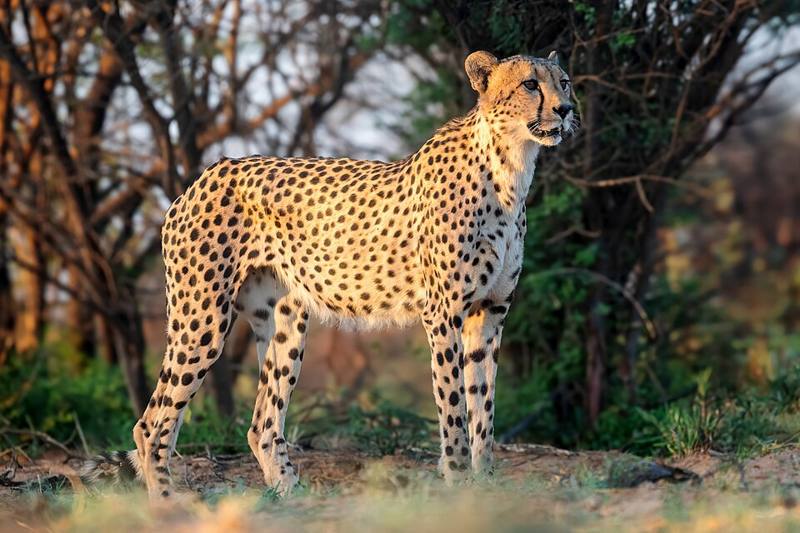 PredatorCheetahThe fastest land animal, built like a greyhound and able to sprint over 90 km/h in short bursts. Here is how its body works and why it is in trouble.
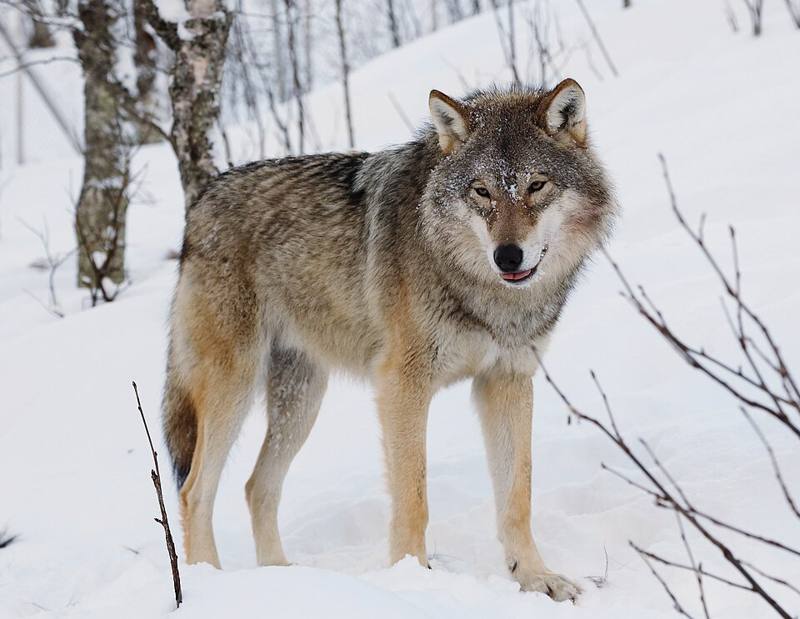 PredatorGray wolfThe wild ancestor-cousin of every pet dog, a family-living hunter of the Northern Hemisphere. Here is how wolf packs really work and why wolves matter to ecosystems.
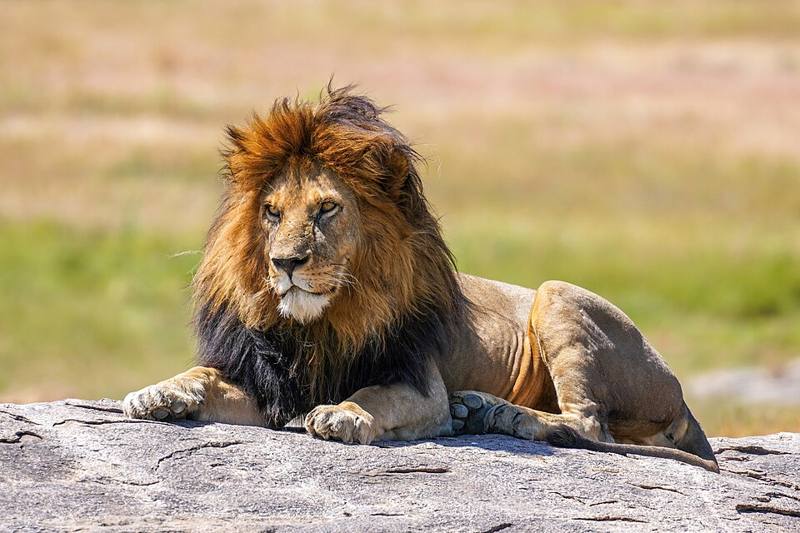 PredatorLionThe only truly social big cat, living in family prides on the African savanna. Here is how lions hunt, raise cubs and why their numbers have fallen.
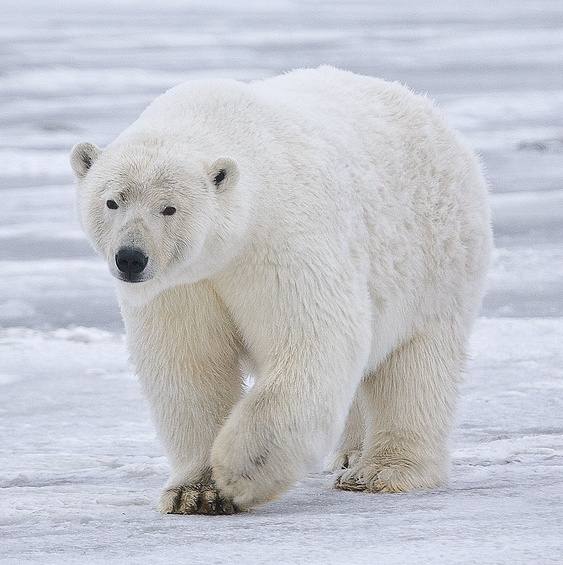 PredatorPolar bearThe largest land carnivore, a marine mammal that hunts seals from Arctic sea ice. Learn how polar bears stay warm, how they hunt and why sea ice decides their future.
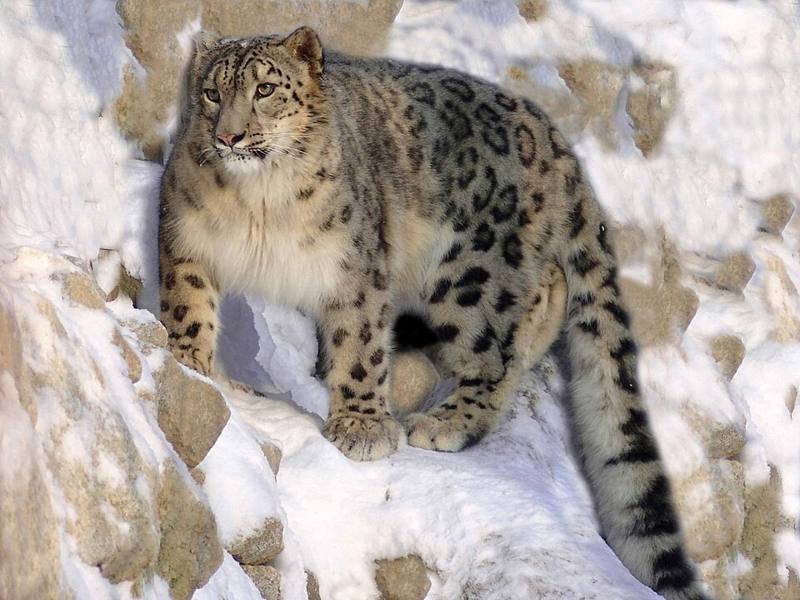 PredatorSnow leopardThe ghost of the mountains, a smoky gray cat that lives high in the ranges of Central and South Asia. Here is how it survives cold, thin air and steep cliffs.
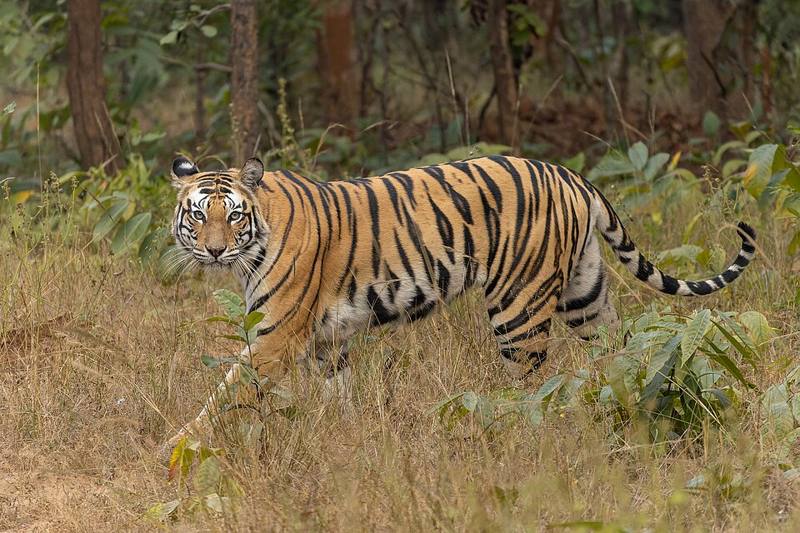 PredatorTigerThe largest living cat, a solitary striped hunter of Asian forests and grasslands. Learn where tigers live, how they hunt and how protection is helping some populations recover.
Ocean life
Sharks, whales, dolphins, octopuses and sea turtles, the giants and geniuses of the sea.
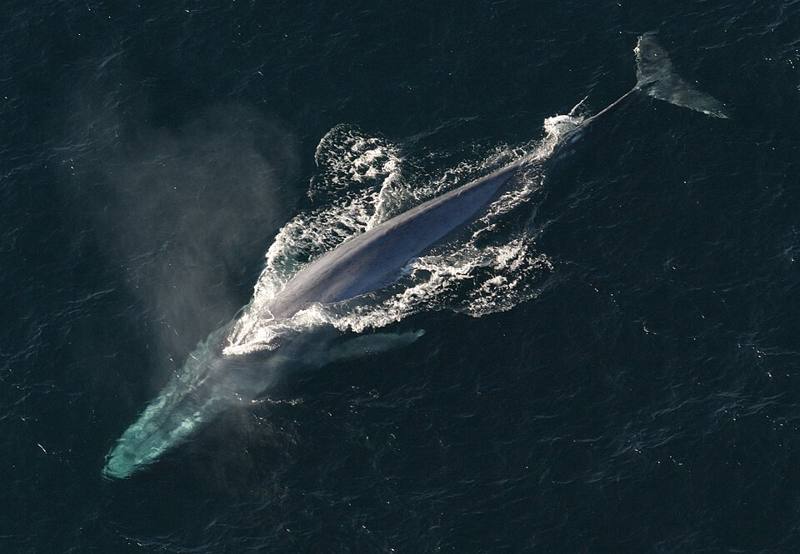 OceanBlue whaleThe largest animal known to have ever lived, longer than a basketball court and fed almost entirely by tiny krill. Here is how a giant survives on the smallest prey.
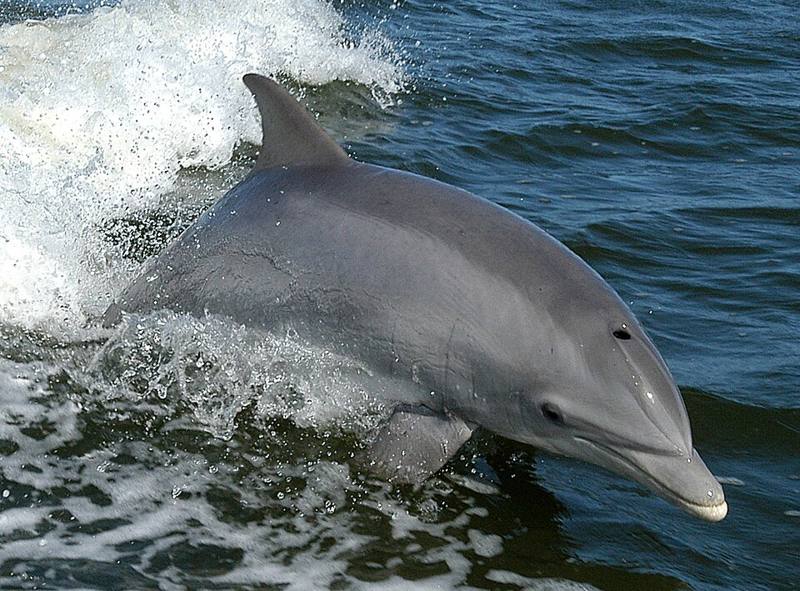 OceanBottlenose dolphinPlayful, smart and found along coasts worldwide, bottlenose dolphins use names, tools and sound to navigate a complex social life.
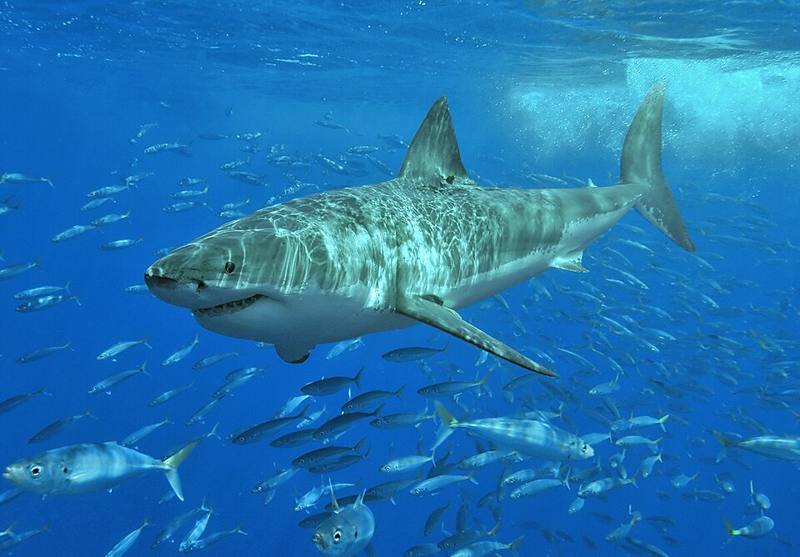 OceanGreat white sharkThe ocean's most famous predator is a long-lived, slow-growing hunter of seals and fish. Here are the facts behind the reputation.
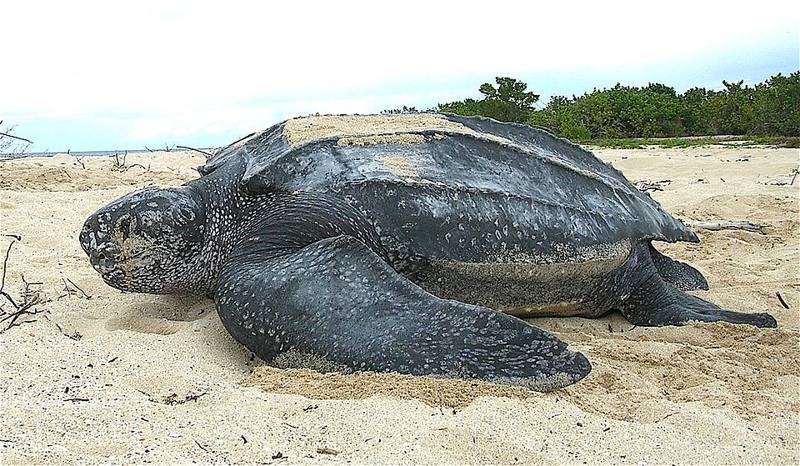 OceanLeatherback sea turtleThe largest living turtle has no hard shell, dives deeper than many whales and crosses entire oceans to feed on jellyfish.
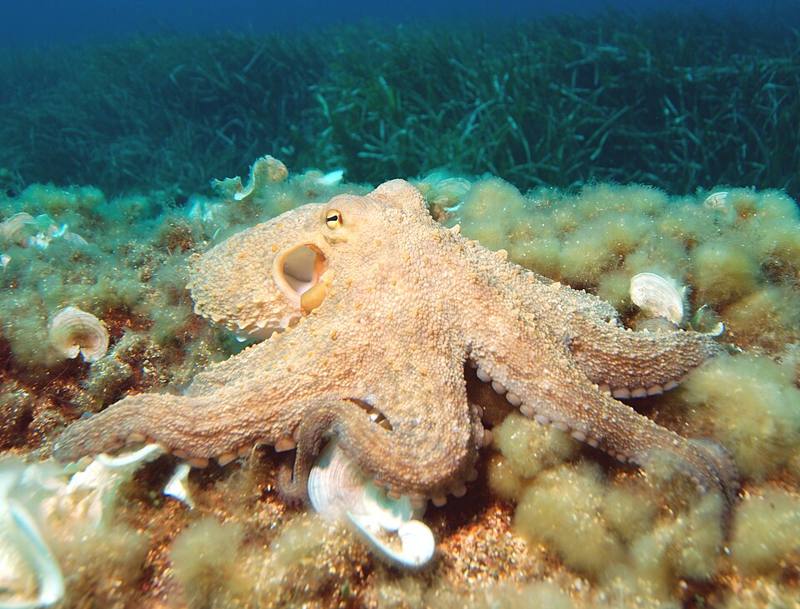 OceanOctopusThree hearts, blue blood, and arms that can taste and think for themselves. The common octopus is one of the most intelligent invertebrates on Earth.
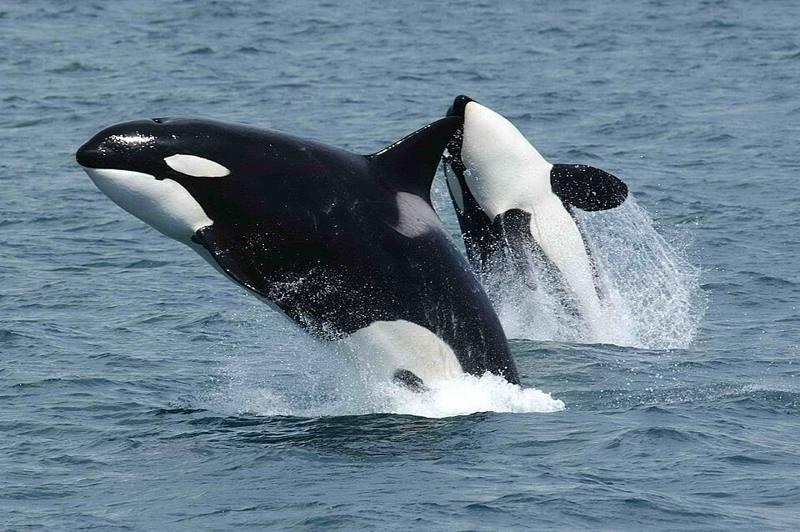 OceanOrca (killer whale)The largest dolphin and the ocean's top predator, living in tight family groups with their own hunting traditions and dialects.
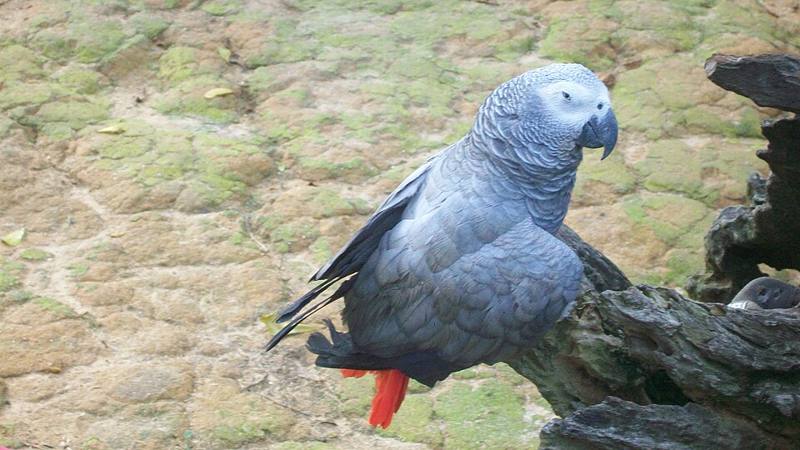 BirdAfrican grey parrotFamous for talking and problem solving, the African grey is one of the smartest birds known, and one of the most threatened by the pet trade.
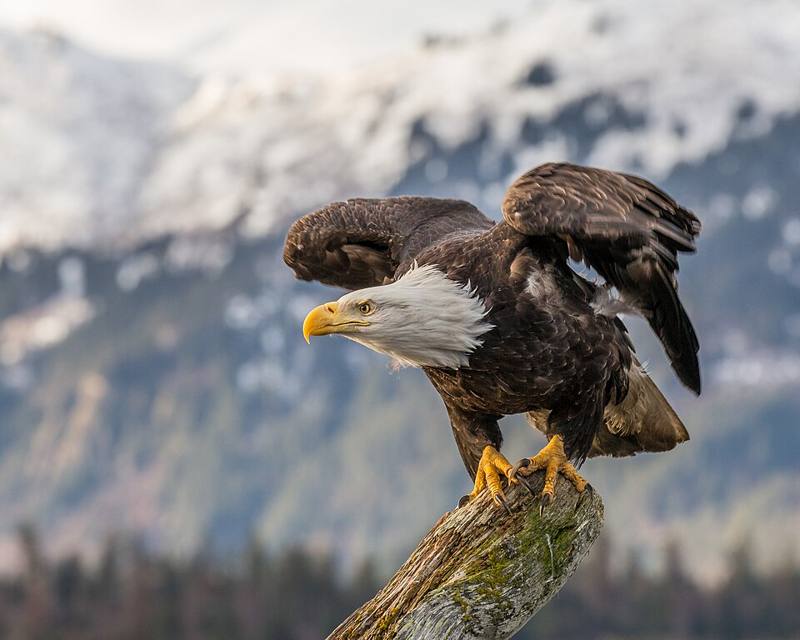 BirdBald eagleA huge fish-eating eagle of North America that came back from the brink after the pesticide DDT was banned. Here is how it hunts, nests and recovered.
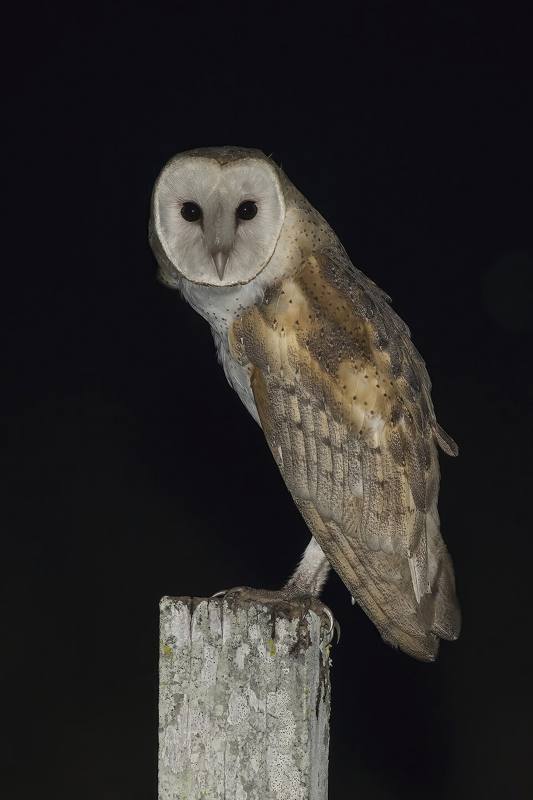 BirdBarn owlA ghostly white owl that can catch a mouse in total darkness using hearing alone. Here is how its face, ears and feathers work.
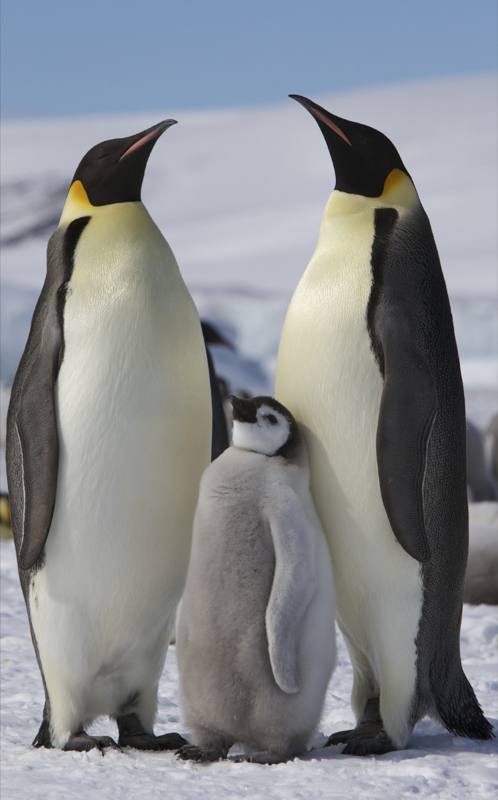 BirdEmperor penguinThe largest penguin breeds in the depths of the Antarctic winter, with fathers balancing an egg on their feet for about two months without eating.
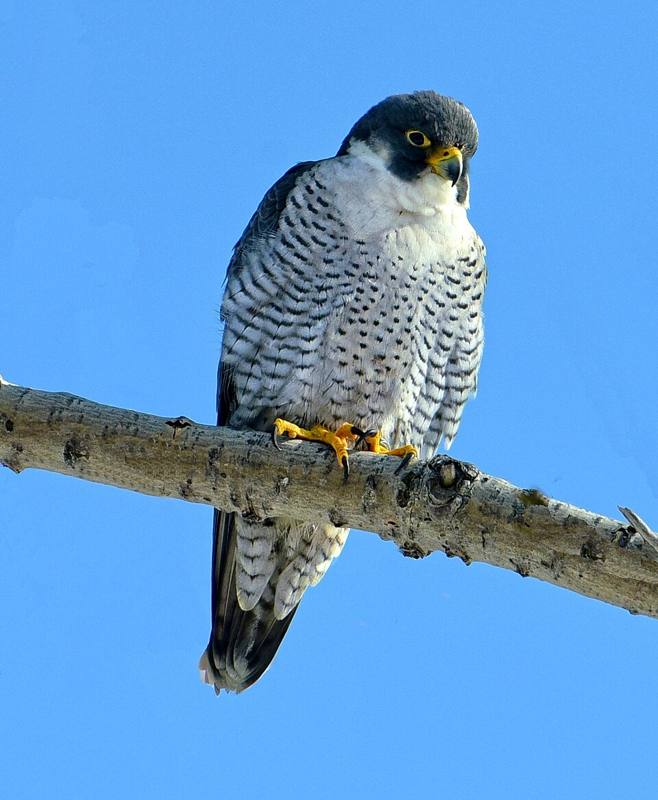 BirdPeregrine falconThe fastest animal on Earth, diving at over 300 km/h to strike birds in midair. Here is how its body handles that speed and how it took over our cities.
Reptiles and amphibians
Komodo dragons, crocodiles, cobras, chameleons, axolotls and poison frogs.
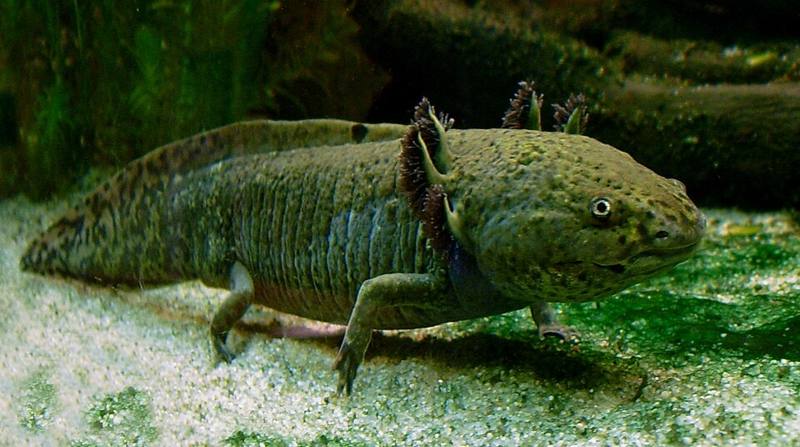 ReptileAxolotlA smiling salamander that never grows up and can regrow lost limbs. Common in aquariums, but Critically Endangered in its only wild home.
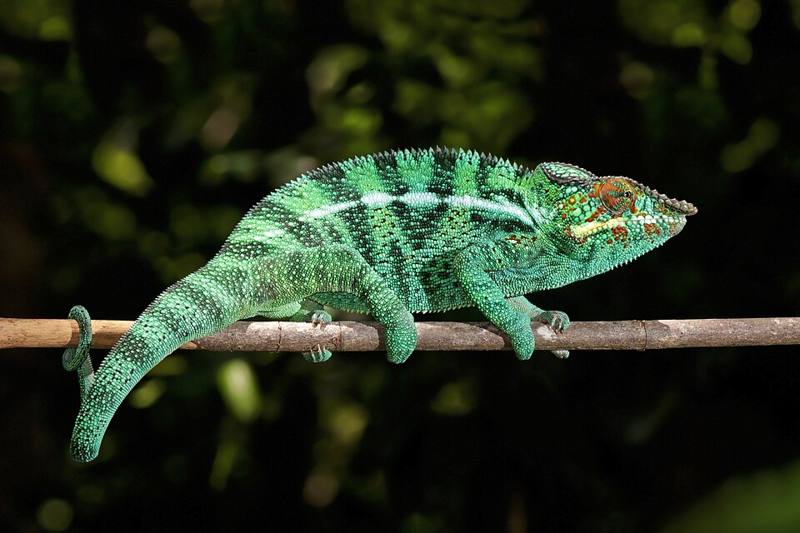 ReptileChameleonsLizards with swiveling eyes, a lightning-fast tongue and color-changing skin, but they change color more to communicate than to hide.
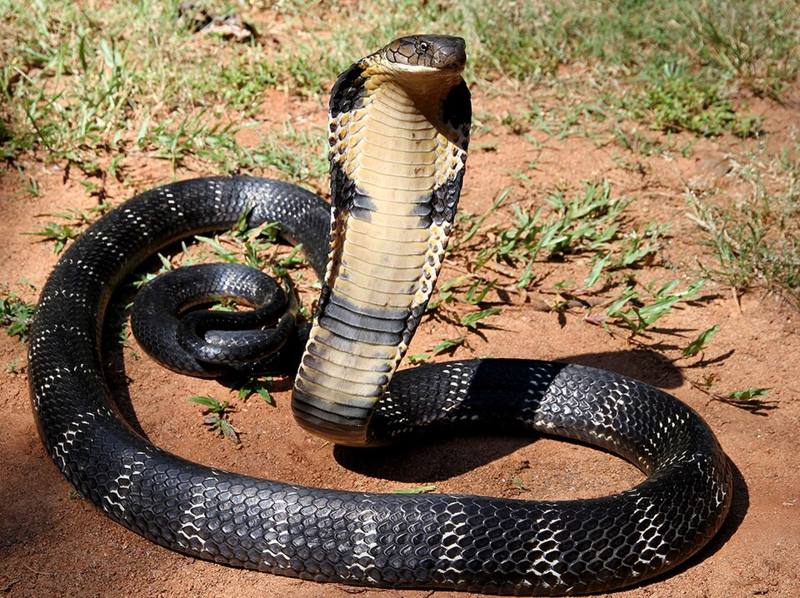 ReptileKing cobraThe world's longest venomous snake eats mostly other snakes, builds a nest for its eggs and can raise a third of its body off the ground.
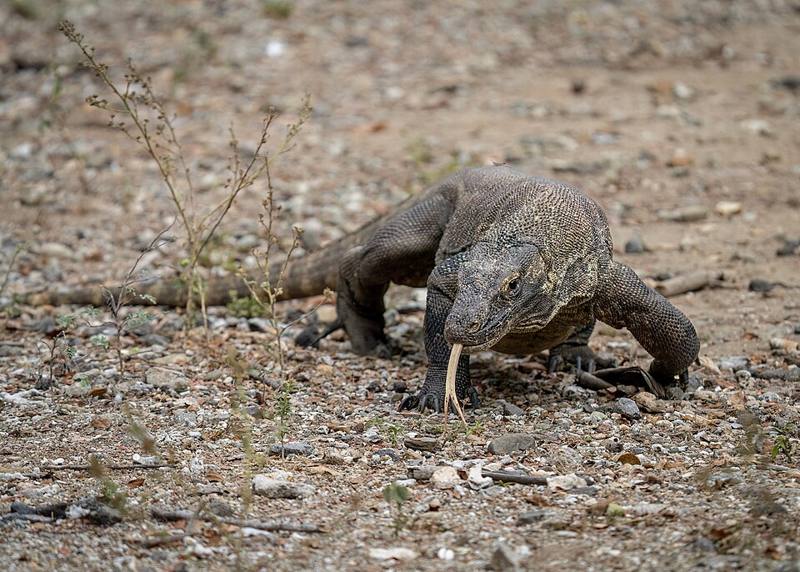 ReptileKomodo dragonThe largest living lizard, a 3-meter predator found on only a few Indonesian islands. Learn how it hunts, what its venom does and why it is Endangered.
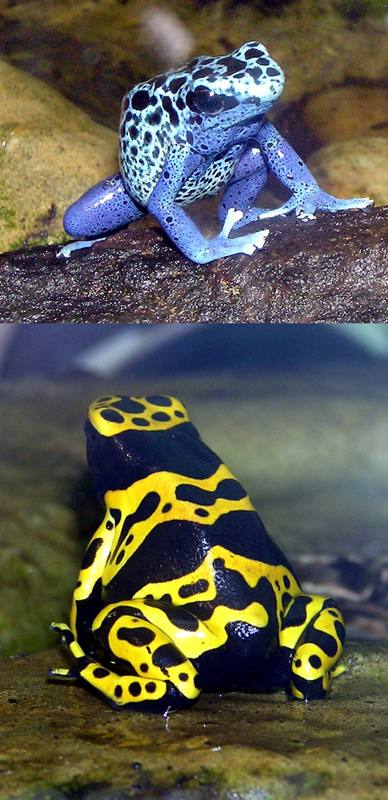 ReptilePoison dart frogsTiny, brilliantly colored rainforest frogs whose bright skin warns predators of powerful toxins they get from their food.
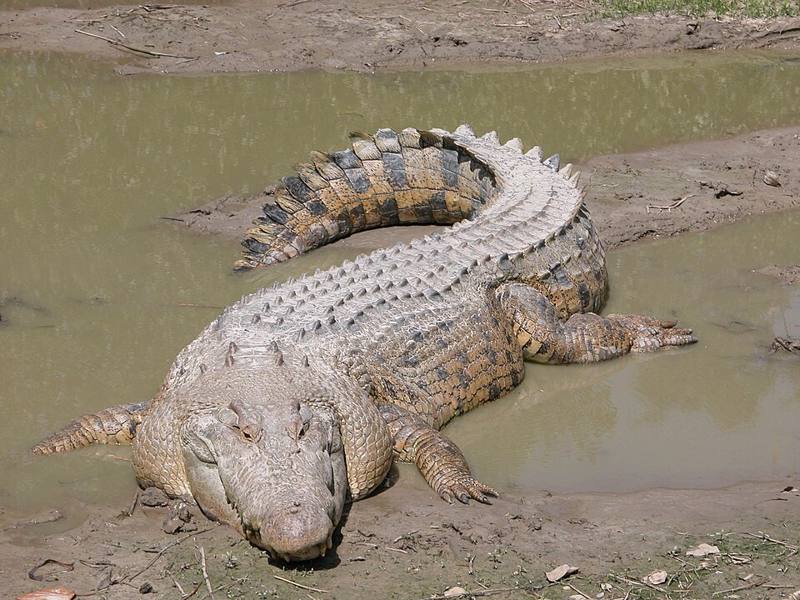 ReptileSaltwater crocodileThe largest living reptile, with the strongest bite ever measured. Saltwater crocodiles patrol rivers, mangroves and coasts from India to northern Australia.
Insects and small wonders
Bees, butterflies, ants, dragonflies and tardigrades, the tiny animals that keep the world running.
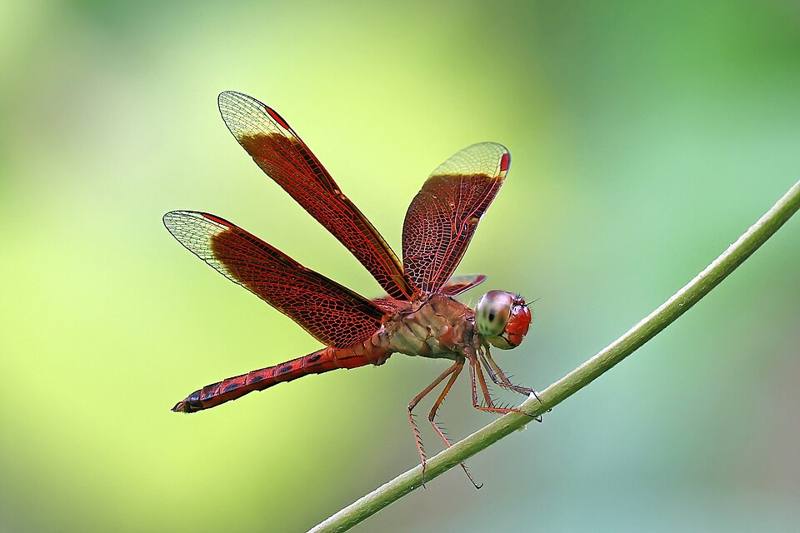 Small wonderDragonfliesAncient aerial hunters with nearly all-around vision and some of the highest catch rates of any predator. Most of their life is spent underwater.
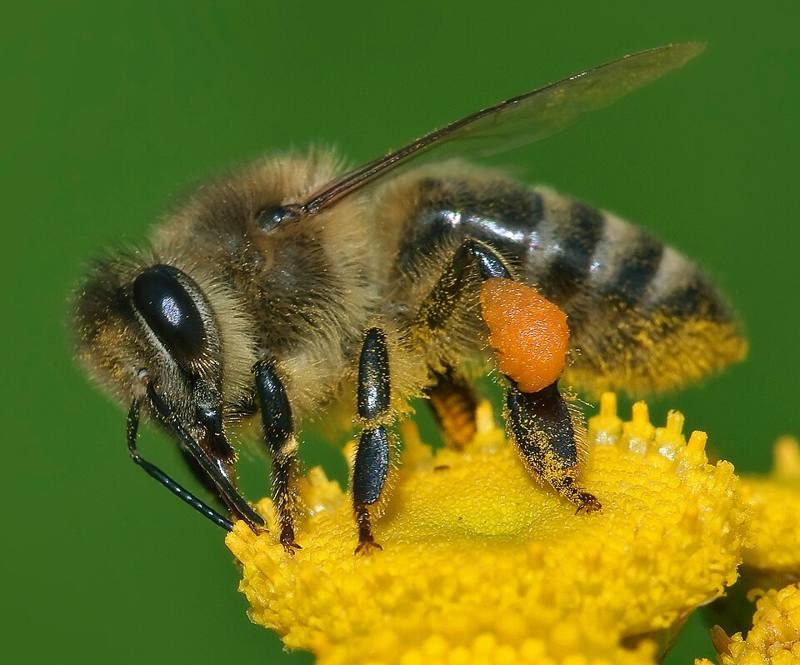 Small wonderHoney beeA colony of tens of thousands of bees works like a single super-organism, dancing directions to flowers and turning nectar into honey.
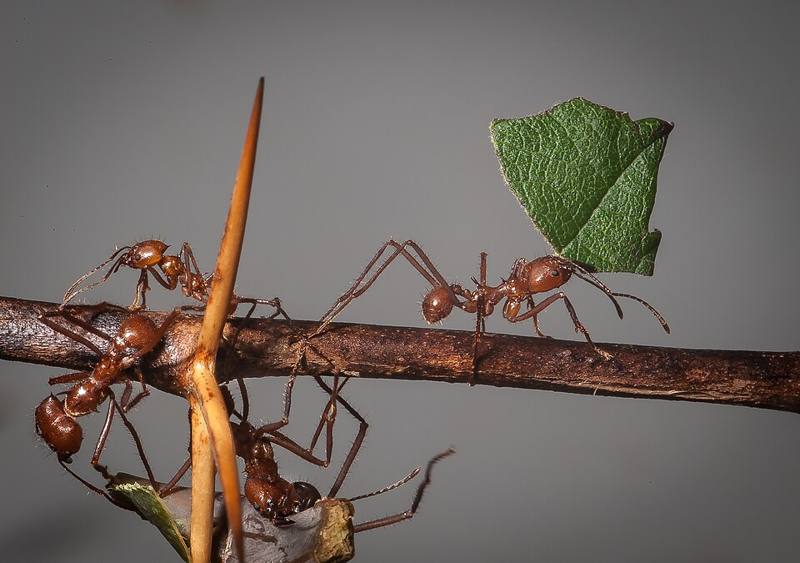 Small wonderLeafcutter antsThese ants do not eat the leaves they carry. They are farmers that grow a fungus garden underground, in colonies that can number in the millions.
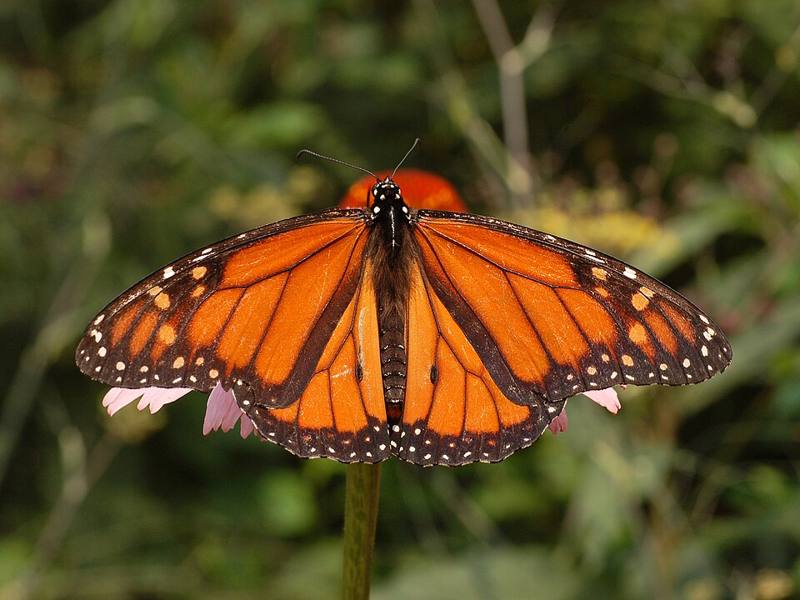 Small wonderMonarch butterflyThe orange-and-black butterfly that flies thousands of kilometers to winter forests in Mexico, guided by the sun, and depends on milkweed to survive.
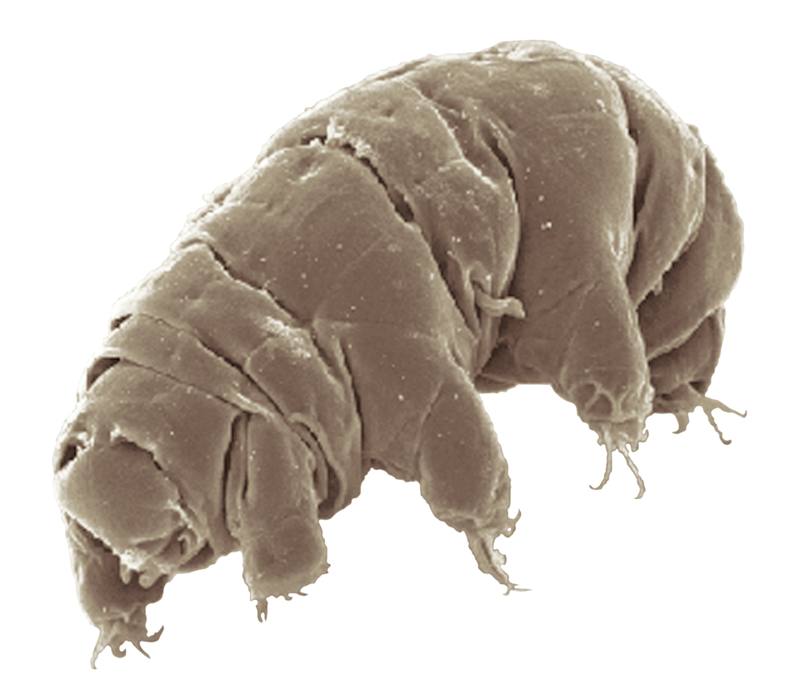 Small wonderTardigrades (water bears)Microscopic eight-legged animals that can survive drying out, freezing, radiation and even open space by shutting down into a "tun" state.
Pets
Choosing a pet, dog and cat basics, small pets, aquarium fish and foods that are dangerous for pets.
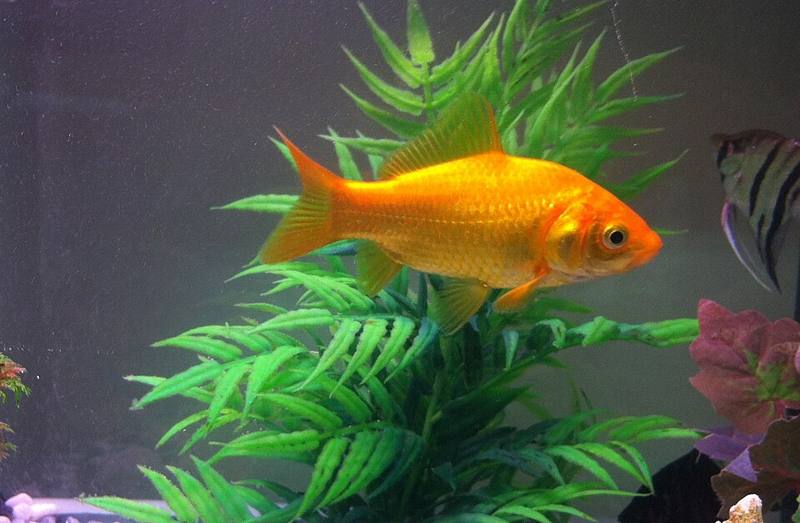 Pet careAquarium fish basicsHealthy fish depend on healthy water. Learn the nitrogen cycle, how to cycle a new tank, how big a tank you really need, water changes and how to choose compatible fish.
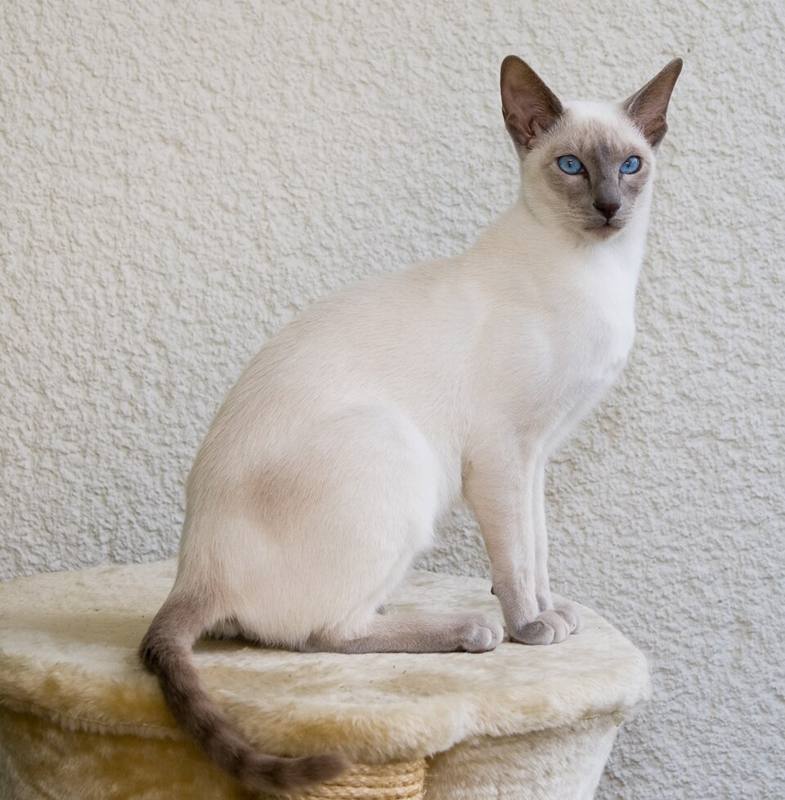 Pet careCat care basicsFood, water, litter boxes, play, scratching, vet care and indoor safety for a healthy cat. A starter guide for new cat owners.
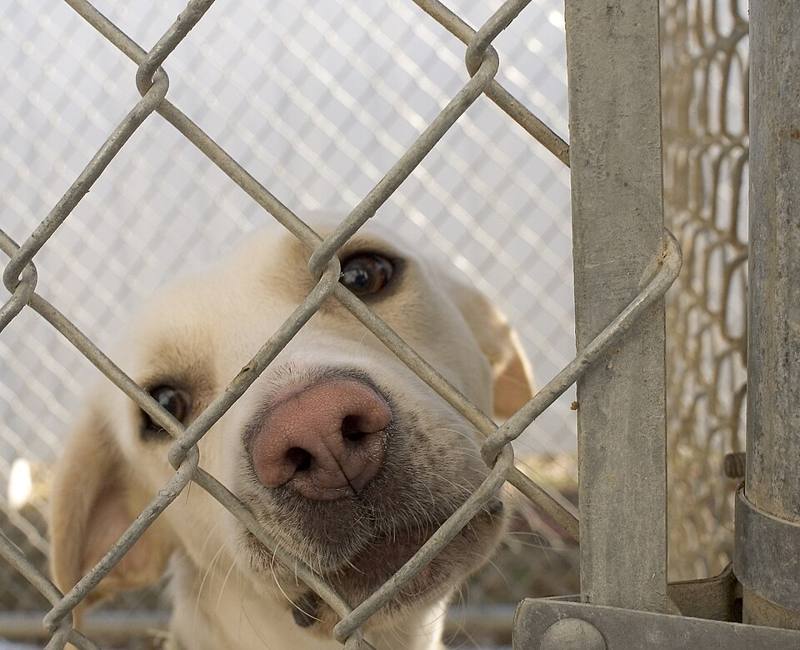 Pet careChoosing the right petLifespan, space, cost, time and allergies matter more than looks. Compare common pets side by side and ask the right questions before you bring an animal home.
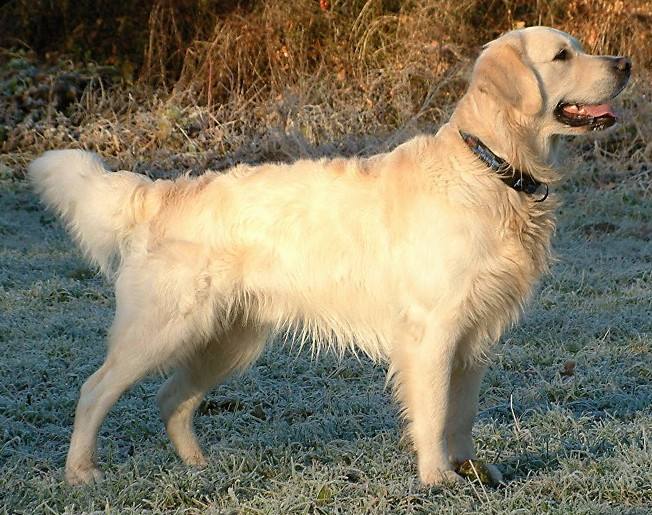 Pet careDog care basicsFood, exercise, training, vet care, grooming and safety for a healthy, happy dog. A practical starter guide for new owners.Pet careFoods and plants dangerous to petsChocolate, grapes, xylitol, onions, lilies and more can seriously harm dogs and cats. Learn the most common household dangers and what to do if your pet eats something toxic.
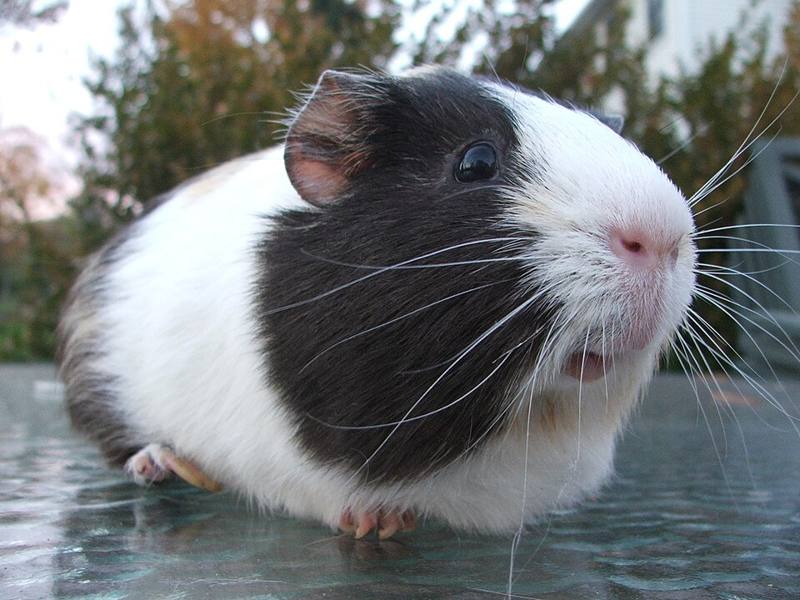 Pet careSmall pets basicsRabbits, guinea pigs, hamsters, rats and budgies each have very different needs. Compare their lifespans, housing, diets and social needs before choosing one.
Animal behavior and science
Migration, camouflage, echolocation, animal intelligence, communication and how scientists classify life.
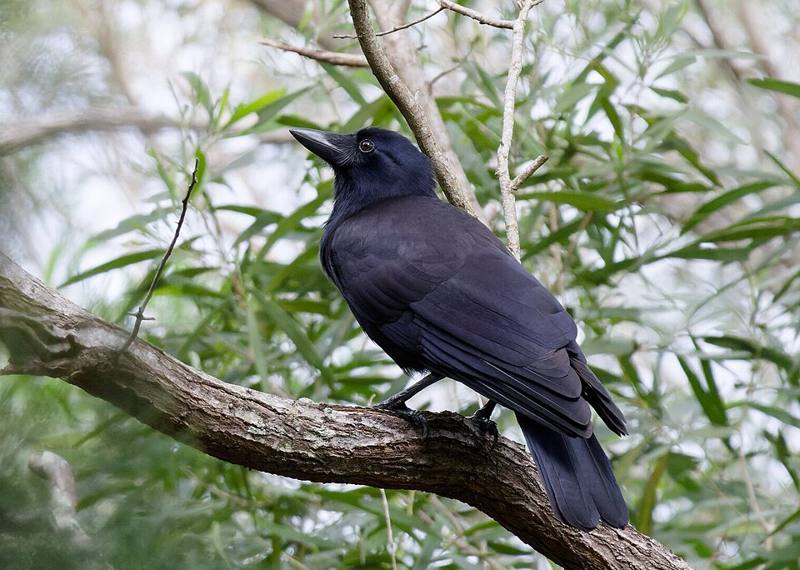 ScienceAnimal intelligenceTool-making crows, puzzle-solving octopuses, dolphins that recognize themselves and parrots that understand categories. What scientists mean by animal intelligence and how they test it.
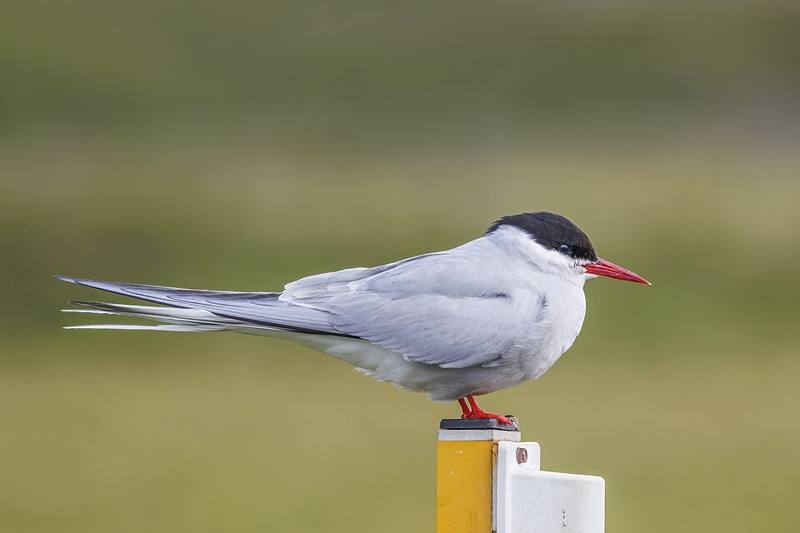 ScienceAnimal migrationWhy animals travel thousands of miles, the record-breaking journeys of terns, godwits, whales and wildebeest, and the senses they use to find their way.
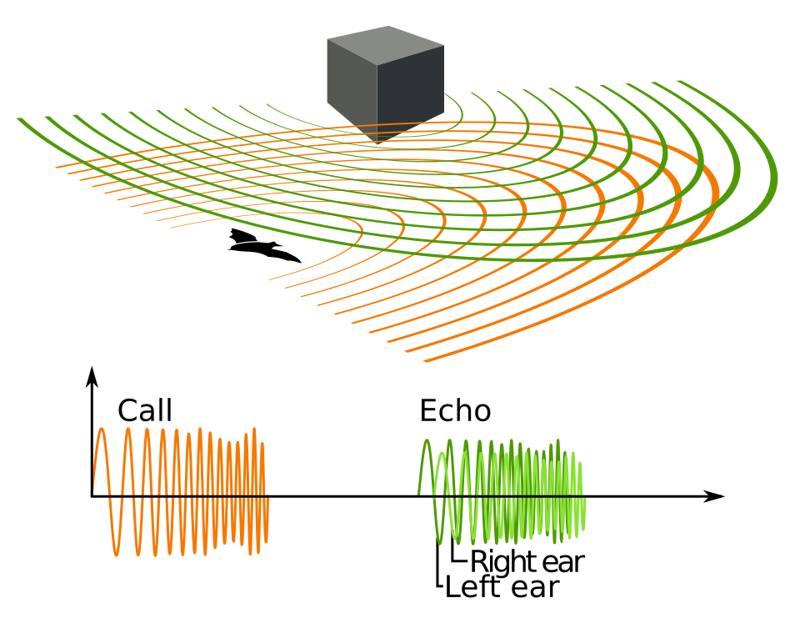 ScienceEcholocation explainedBats, dolphins, whales and a few birds and small mammals "see" with sound. Learn how echolocation works, which animals use it and how some prey fight back.
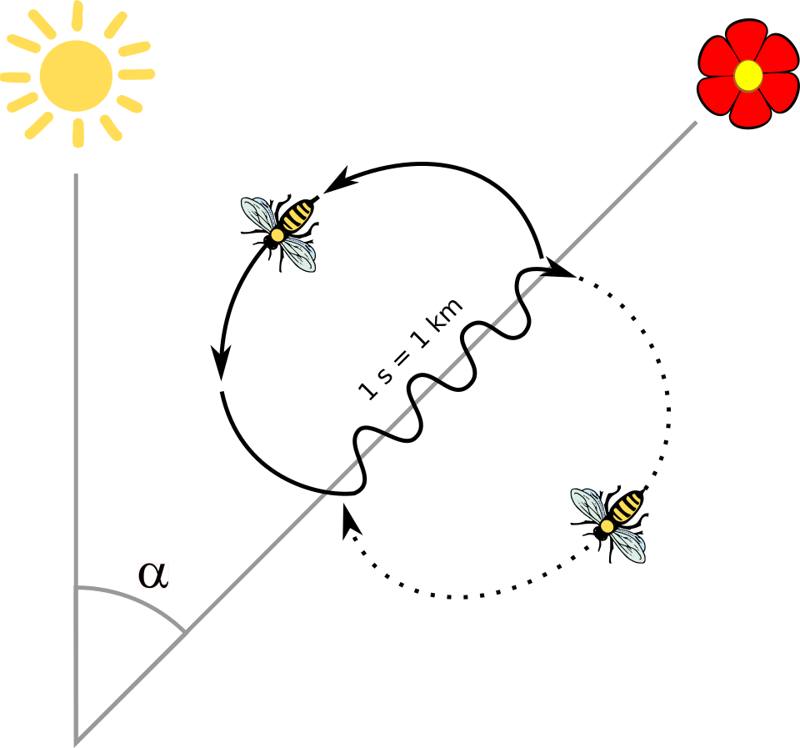 ScienceHow animals communicateWaggle dances, alarm calls, whale songs, scent trails, color displays and body language. How animals share information with sound, sight, smell and touch.
 ScienceHow camouflage worksBackground matching, disruptive patterns, countershading, mimicry and color change. Learn the main types of camouflage, with animal examples for each.
 ScienceTaxonomy explainedHow scientists name and classify living things, from domain and kingdom down to genus and species, why scientific names use Latin, and how DNA has reshaped the tree of life.
Conservation and reference
IUCN Red List categories, how to help wildlife, watching animals responsibly, an A-Z animal index, glossary and FAQ.
 ConservationHow to help wildlifePractical actions that make a real difference, from native plants and bird-safe windows to keeping cats indoors, joining citizen science and choosing products carefully.ConservationHow to watch wildlife responsiblySafe distances, how to read stress signals, why feeding wild animals causes harm, and ethical rules for photography, boat trips and wildlife tourism.ConservationIUCN Red List categories explainedWhat Least Concern, Vulnerable, Endangered and Critically Endangered really mean, how species are assessed, and why a status can change. A plain-English guide to the world's main extinction-risk list.
Watch on YouTube
Wild animal facts and amazing behavior, one Short at a time.
Merch for animal lovers
Tees and hoodies printed to order. Every order helps keep these guides free.