Orca (killer whale)
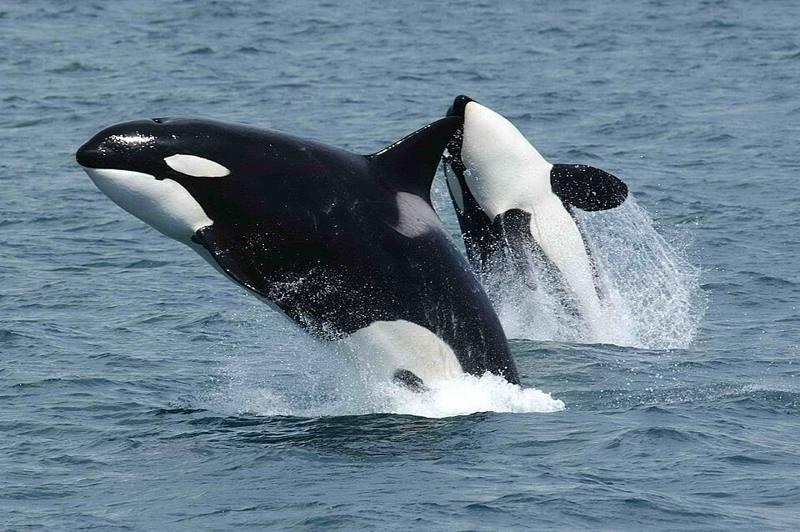
The largest dolphin and the ocean's top predator, living in tight family groups with their own hunting traditions and dialects.
Quick facts
| Fact | Detail |
|---|---|
| Scientific name | Orcinus orca |
| Class | Mammalia (mammals) |
| Diet | Carnivore: depending on population, fish, squid, seals, sea lions, dolphins, sharks or whales |
| Size | Males about 6 to 8 m and up to around 6 tonnes; females smaller |
| Lifespan | Females can live 50 to 80+ years; males often 30 to 50 |
| Range | All oceans, most common in cold, productive waters |
| IUCN status | Data Deficient (the species as a whole) |
Habitat
Orcas are found in every ocean, from the polar ice edges to the tropics, but they are most common in cooler coastal waters rich in food. Famous orca areas include the Pacific Northwest of North America, Norway, Iceland, Patagonia, the Antarctic and the Crozet Islands. The species is listed as Data Deficient overall because scientists suspect there may be several distinct species or subspecies, and some local populations are very small.
Behavior
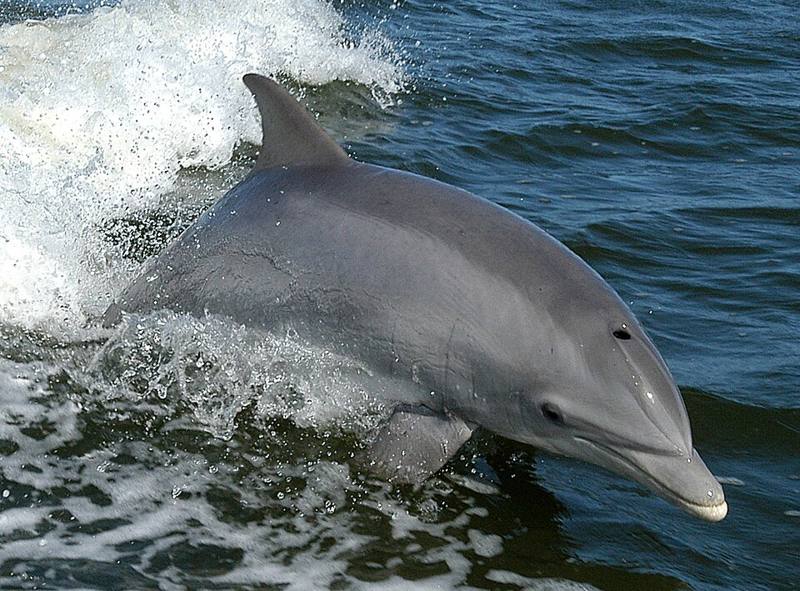
Despite the name "killer whale," orcas are the largest member of the dolphin family. They live in pods built around mothers and their descendants. In some populations, such as the fish-eating "resident" orcas of the northeastern Pacific, sons and daughters stay with their mother for life.
Different orca populations, called ecotypes, have different diets, behavior and even appearance, and they rarely mix:
| Ecotype example | Main prey | Hunting style |
|---|---|---|
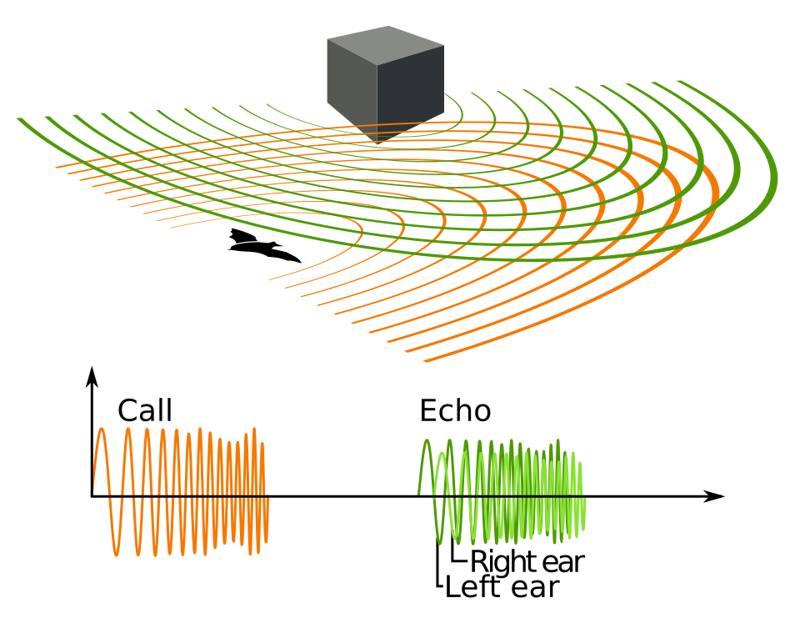
| Residents (NE Pacific) | Salmon, especially Chinook | Large chatty family groups, use echolocation |
| Bigg's or transients (NE Pacific) | Seals, sea lions, porpoises | Small, quiet groups that stalk silently |
| Antarctic pack-ice orcas | Seals | Wave-washing seals off ice floes |
| Norwegian orcas | Herring | Carousel feeding: herding fish into tight balls |
Each pod has its own set of calls, a kind of dialect, which young orcas learn from their families. These traditions are one reason many scientists say orcas have culture.
Surprising facts
- Females are one of very few mammals known to go through menopause. Older females lead their pods to food, and research on resident orcas found that grandmothers improve the survival of their grandchildren.
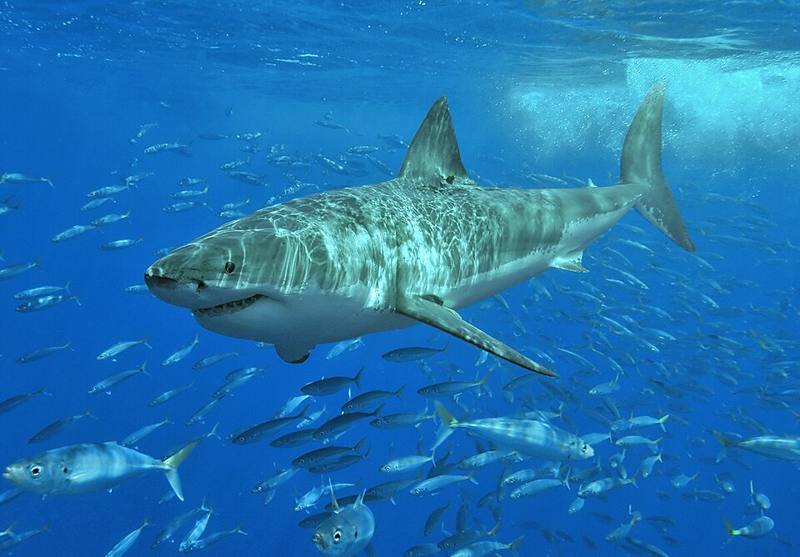
- Orcas have been recorded hunting great white sharks and, in some areas, blue whales.
- The tall dorsal fin of an adult male can reach about 1.8 m.
- Like other dolphins, orcas sleep by resting one half of the brain at a time.
Threats and conservation
Some orca populations are in serious trouble. The Southern Resident orcas of Washington State and British Columbia number only in the low 70s and depend on Chinook salmon, which have declined. Threats include lack of prey, chemical pollutants that build up in top predators, and noise and disturbance from boats that make it harder to hunt using sound. Rules now require boats to keep greater distances from orcas in several regions. Compare orcas with their smaller cousins in our bottlenose dolphin guide.
On whale-watching trips, choose operators that follow local distance rules and turn off engines or slow down near orcas.