Aquarium fish basics
Healthy fish depend on healthy water. Learn the nitrogen cycle, how to cycle a new tank, how big a tank you really need, water changes and how to choose compatible fish.
Fishkeeping is water keeping
Fish live in their own waste. In the wild, huge volumes of water dilute it; in a tank, it builds up. The most important skill in fishkeeping is managing water quality, and the key to that is the nitrogen cycle.
The nitrogen cycle
- Fish produce ammonia through their gills and waste. Uneaten food and decaying plants add more. Ammonia is toxic.
- Beneficial bacteria convert ammonia into nitrite, which is also toxic.
- Other bacteria convert nitrite into nitrate, which is much less harmful at low levels.
- You remove nitrate with regular partial water changes; live plants also use some.
These bacteria live mostly in the filter and on surfaces. A new tank has none, so you must grow them before adding many fish. This is called cycling the tank, and it usually takes several weeks.
Cycling a new tank
- Set up the tank, filter and heater if needed.
- Add a source of ammonia, such as a small amount of fish food or a measured ammonia product, following a fishless cycling guide.
- Test water with a liquid test kit for ammonia, nitrite and nitrate.
- The tank is cycled when ammonia and nitrite read zero and nitrate is present.
- Add fish gradually, a few at a time.
Tank size matters
Bigger tanks are more stable and forgiving, because waste and temperature changes are diluted.
| Fish | Notes |
|---|---|
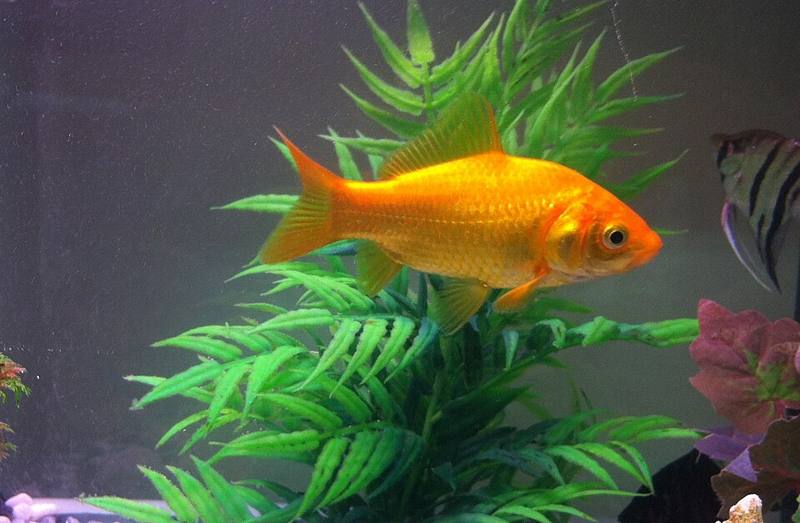
| Goldfish | Grow much larger than most people expect and produce lots of waste; they need large tanks or ponds, never bowls |
| Betta | Tropical fish that needs a heated, filtered tank, not a small bowl |
| Small tropical schooling fish | Need groups of 6 or more and room to swim |
| Bottom dwellers such as corydoras | Need groups and soft substrate |
A common beginner mistake is too many fish in too small a tank.
Routine care
| Task | How often |
|---|---|
| Feed small amounts they eat in a couple of minutes | Once or twice a day |
| Check temperature and fish behavior | Daily |
| Partial water change, often 10 to 25 percent | Weekly is common |
| Test water | Weekly, or when problems appear |
| Rinse filter media in old tank water | When flow slows; never with tap water |
Use a water conditioner to remove chlorine or chloramine from tap water before it goes into the tank.
Choosing compatible fish
- Match temperature: goldfish prefer cooler water than tropical fish.
- Match temperament: some fish nip fins or eat smaller tankmates.
- Match adult size, not store size.
- Keep schooling fish in groups.
- Research before buying, and quarantine new fish if possible.
Signs of trouble
- Gasping at the surface.
- Clamped fins or lethargy.
- White spots, fuzzy patches or torn fins.
- Cloudy or smelly water.
Test the water first; most fish health problems start with water quality.
Axolotls are not tropical fish
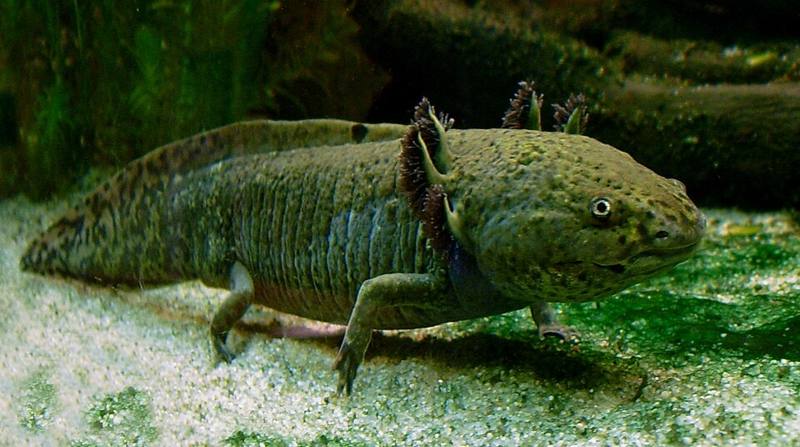
Axolotls are amphibians that need cool water and their own setup. See axolotl.
This is general education. Ask an aquatic vet or experienced aquarium specialist about specific species and problems.