Small pets basics
Rabbits, guinea pigs, hamsters, rats and budgies each have very different needs. Compare their lifespans, housing, diets and social needs before choosing one.
Small does not mean simple
Small pets are often chosen as "easy" or "starter" pets, but many need more space, company and specialized care than people expect. Most are prey animals, which means they can be easily stressed and tend to hide signs of illness.
Quick comparison
| Pet | Typical lifespan | Social needs | Active time | Key diet |
|---|---|---|---|---|
| Rabbit | About 8 to 12 years | Best in bonded pairs | Mainly dawn and dusk | Unlimited hay, fresh greens, limited pellets |
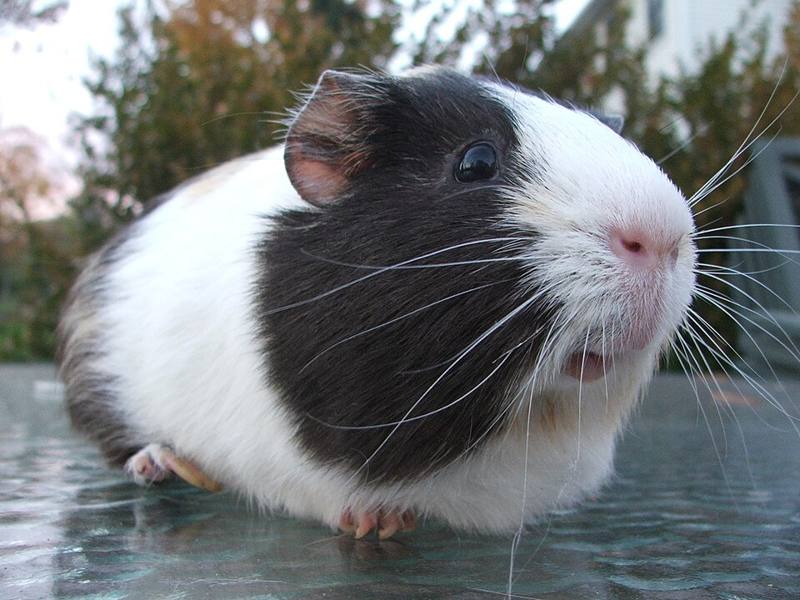
| Guinea pig | About 5 to 7 years | Needs companions of its kind | Day and night in short bursts | Unlimited hay, vitamin C source, greens |
| Syrian hamster | About 2 to 3 years | Must live alone | Mainly night | Seed and pellet mix, small fresh foods |
| Pet rat | About 2 to 3 years | Needs companions | Mainly evening and night | Rodent blocks, small fresh foods |
| Budgerigar | About 5 to 10 years or more | Best in pairs or groups | Day | Seed or pellet mix, greens |
Rabbits
- Rabbits need much more space than a traditional hutch. Give them a large enclosure plus several hours a day of safe exercise space.
- Hay should make up most of their diet. It keeps teeth and digestion healthy, since rabbit teeth grow continuously.
- Rabbits can be litter trained.
- Spaying or neutering reduces health risks and helps pairs live together.
- A rabbit that stops eating or producing droppings needs urgent vet care.
Guinea pigs
- Guinea pigs cannot make their own vitamin C. They need it from fresh foods such as bell peppers and from fortified pellets.
- They are very social and should live with at least one other guinea pig.
- Like rabbits, they need unlimited hay and teeth that wear down naturally.
- They communicate with squeaks, purrs and the famous "wheek" when they hear food.
Hamsters
- Syrian hamsters are solitary and will fight if housed together. Some dwarf species can live in pairs or groups, but fights still happen.
- They need a large cage, a deep layer of bedding for burrowing and a solid wheel big enough that their back does not arch.
- Hamsters are nocturnal and may bite if woken suddenly.
Rats
- Pet rats are intelligent, curious and social. They can learn tricks and recognize their owners.
- Keep at least two together.
- They need tall, multi-level cages, daily time out of the cage and plenty of enrichment.
- Their short lifespan can be hard for families.
Budgies
- Budgerigars are small parrots from Australia. They are social and need company and daily flight.
- Provide a cage wide enough for flying between perches, plus toys and natural branches.
- A seed-only diet is not ideal; add pellets and greens.
- For larger parrots, see African grey parrot.
Common mistakes
- Keeping social animals alone.
- Using cages that are far too small.
- Feeding too many treats or sugary foods.
- Missing signs of illness until it is too late.
- Buying on impulse.
Finding a vet
Not all vets treat small mammals and birds. Find an exotic animal vet before you bring a pet home.
Disclaimer
This is general education, not veterinary advice. Ask a vet experienced with your species about diet and care.