Animal Guides / Animal behavior and science
How animals communicate
Waggle dances, alarm calls, whale songs, scent trails, color displays and body language. How animals share information with sound, sight, smell and touch.
Why animals communicate
Animals communicate to find mates, warn of danger, defend territory, keep groups together and share information about food. A signal is any behavior or feature that has evolved to change how another animal acts. Communication can use any sense: sound, sight, smell, touch, and even electricity or vibration.
Communication channels
| Channel | Strengths | Examples |
|---|---|---|
| Sound | Travels far, works in the dark and through vegetation | Birdsong, wolf howls, whale songs |
| Sight | Fast and precise | Courtship displays, warning colors, firefly flashes |
| Smell (chemical) | Lasts a long time, works without the sender present | Ant trails, scent marking |
| Touch | Close and personal | Grooming in primates, antennae contact in ants |
| Vibration | Works through ground, plants or water | Elephants sensing rumbles, spiders plucking webs |
| Electricity | Works in murky water | Weakly electric fish |
Famous examples
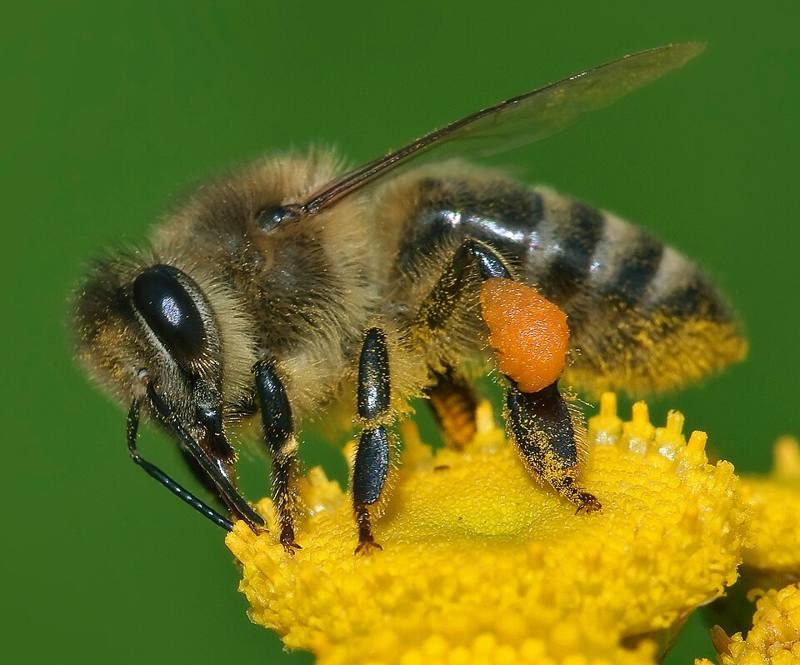
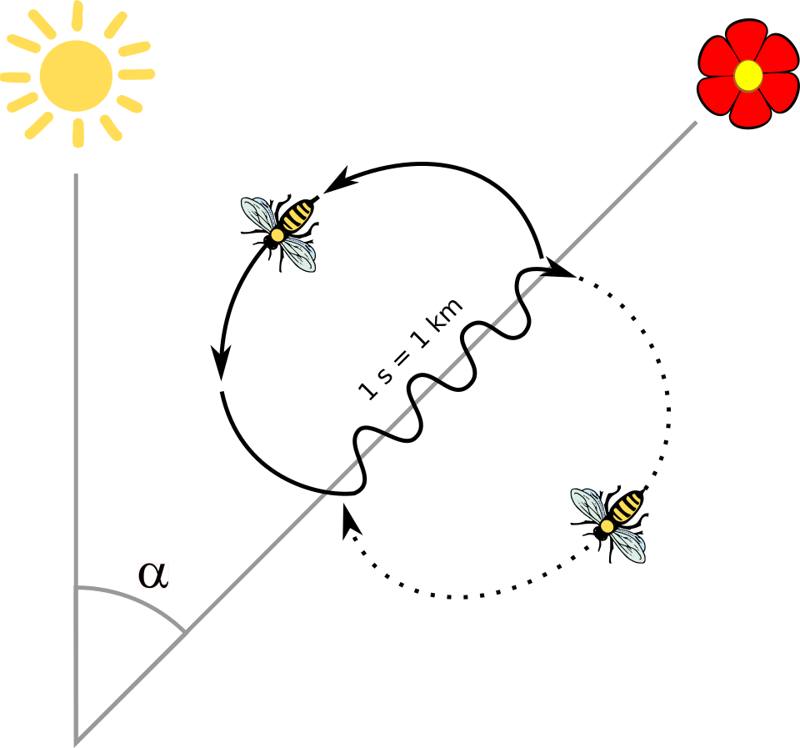
The honey bee waggle dance. A forager returning to the hive performs a dance on the comb. The angle of the "waggle run" relative to vertical shows the direction of food relative to the sun, and its length relates to distance. Karl von Frisch decoded the dance and shared the 1973 Nobel Prize in Physiology or Medicine. See honey bee.
Vervet monkey alarm calls. Vervet monkeys give different alarm calls for different predators, such as leopards, eagles and snakes. Each call triggers a different escape response: climbing trees, looking up or standing to scan the ground.
Whale song. Male humpback whales sing long, complex songs made of repeated themes. Songs change over time and can spread between populations across ocean basins.
Dolphin signature whistles. Bottlenose dolphins develop individual whistles that work somewhat like names, and they can copy the whistles of others. See bottlenose dolphin.
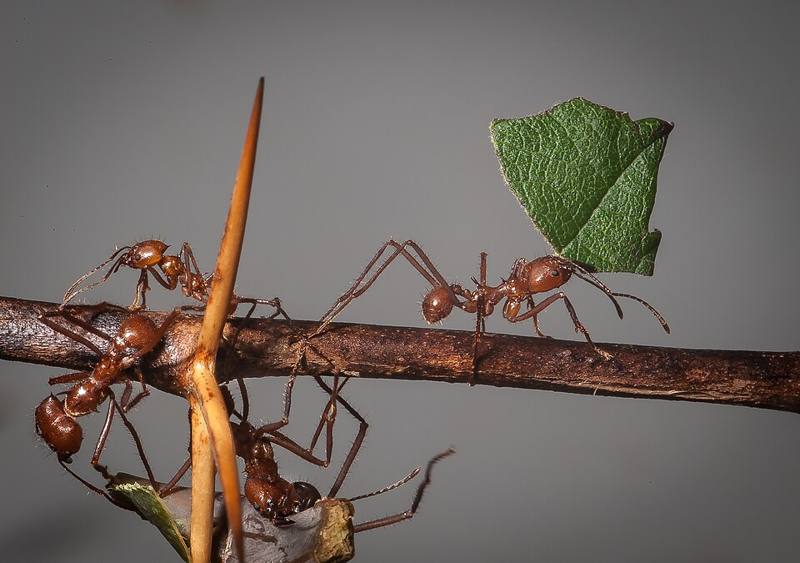
Ant chemical trails. Many ants lay pheromone trails that lead nestmates to food. Leafcutter ants use chemical signals to organize huge colonies. See leafcutter ants.
Elephant rumbles. Elephants make very low-frequency calls, some below the range of human hearing, that can travel long distances.
Body language
Many animals communicate with posture and expression:
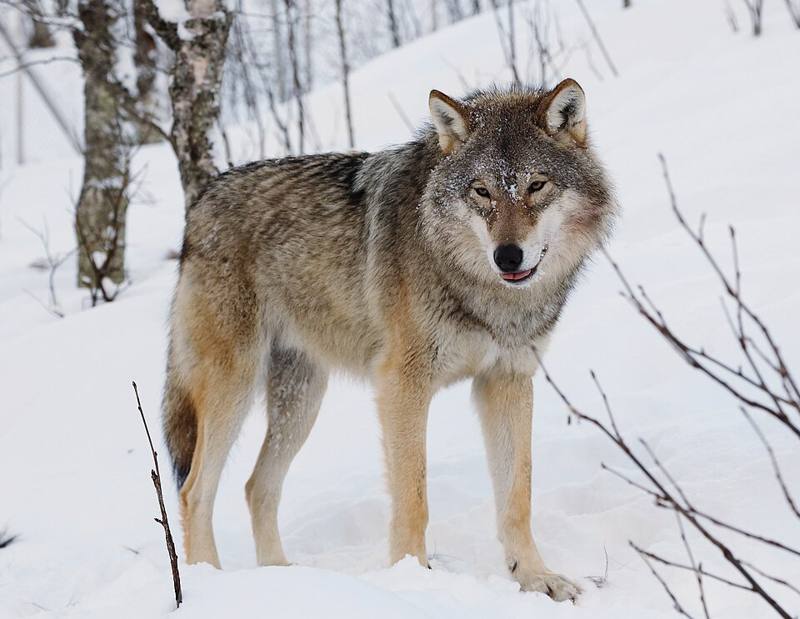
- Wolves and dogs use tail position, ear position and body posture to signal confidence, play or submission. See gray wolf.
- Cats slow-blink at familiar companions and flatten their ears when frightened.
- Birds puff up feathers, spread wings or bow during courtship.
Honest and dishonest signals
Some signals are costly to produce, which helps keep them honest; a bright, healthy display may show genuine fitness. Others are deceptive: some fireflies mimic the flashes of another species to lure and eat them.
Communication versus language
Animal communication can be complex, but human language is unusual in combining a large vocabulary with grammar to create endless new meanings. Researchers continue to study how close some animals come, from primates using gestures to birds combining calls in particular orders.
Human noise and light
Traffic, shipping and artificial lights can drown out or confuse animal signals. Some city birds sing at higher pitches or at night to be heard. See echolocation for more about ocean noise.
Prairie dogs give alarm calls that appear to vary with the type, size and even color of an approaching predator, according to some researchers.