Animal Guides / Animal behavior and science
Animal intelligence
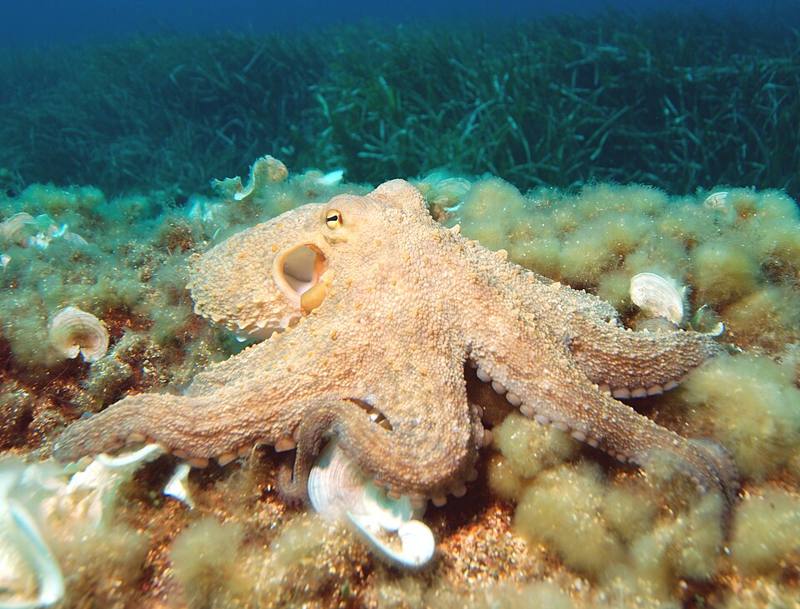
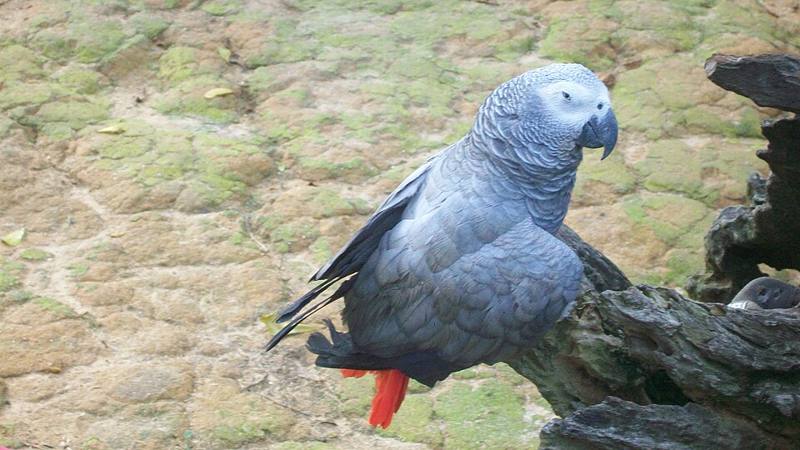
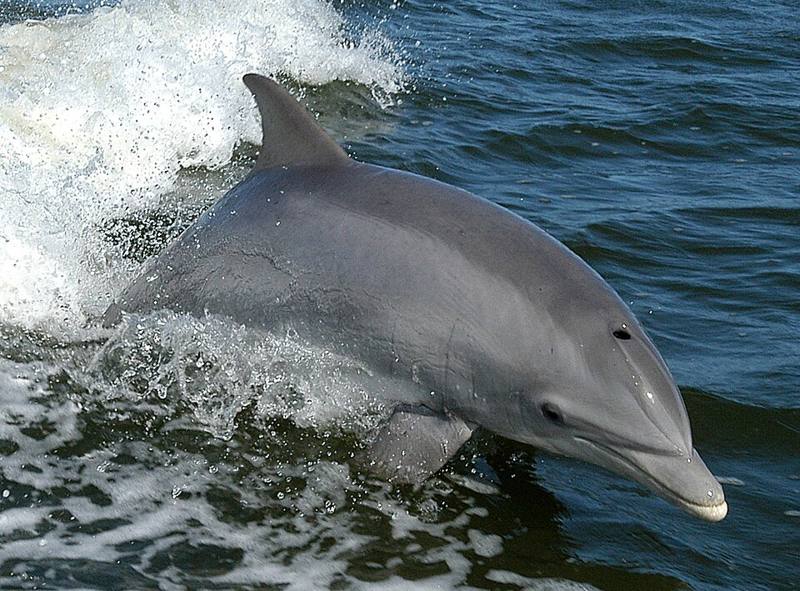
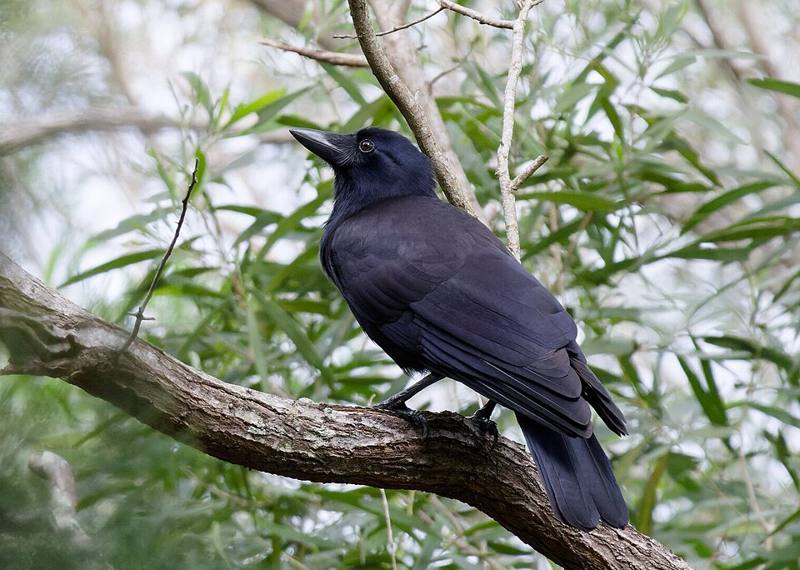
Tool-making crows, puzzle-solving octopuses, dolphins that recognize themselves and parrots that understand categories. What scientists mean by animal intelligence and how they test it.
What counts as intelligence
There is no single measure of intelligence that works for every species. Scientists study cognition, the ways animals take in, process and use information. That includes memory, learning, problem-solving, tool use, social understanding and communication.
Each species is intelligent in ways that fit its life. A squirrel that remembers thousands of buried nuts and a bee that learns which flowers pay off are solving very different problems from a chimpanzee using a stick to fish for termites.
Tool use
| Animal | Tool behavior |
|---|---|
| Chimpanzees | Use sticks to fish for termites, stones to crack nuts |
| New Caledonian crows | Shape twigs and leaves into hooked tools to pull insects from crevices |
| Sea otters | Use rocks to crack open shellfish |
| Bottlenose dolphins (some populations) | Carry marine sponges on their snouts while foraging on the seafloor |
| Veined octopuses | Carry coconut shell halves to use as shelter |
Tool use was once thought to be uniquely human. Today it has been documented in many mammals, birds, fish and even some invertebrates.
Problem-solving
- Crows and ravens solve multi-step puzzles in experiments and can plan for future events.
- Octopuses open jars, navigate mazes and escape from tanks. Much of their nervous system is in their arms. See octopus.
- Parrots such as African greys have learned to identify colors, shapes and quantities. See African grey parrot.
- Elephants cooperate to pull ropes in tests that require teamwork.
Self-recognition
The mirror test checks whether an animal recognizes its own reflection. Researchers place a mark on the animal where it can only be seen in a mirror. If the animal uses the mirror to investigate the mark on its own body, that suggests self-recognition.
Animals reported to pass include great apes, bottlenose dolphins, an Asian elephant and Eurasian magpies. Some scientists have reported passes by cleaner wrasse fish, which sparked debate. Many animals that fail the test may simply rely more on smell or hearing than vision, so failing does not mean an animal lacks self-awareness.
Social intelligence
Living in groups requires remembering who is who, forming alliances and sometimes deceiving others.
- Chimpanzees track friendships and rivalries.
- Some birds hide food again if another bird watched them cache it.
- Dolphins use signature whistles that act like names. See animal communication.
- Wolves coordinate hunts. See gray wolf.
Memory and learning
- Clark's nutcrackers can remember the locations of thousands of seed caches.
- Honey bees learn colors, shapes and routes to flowers.
- Many animals learn by watching others, which allows traditions to spread through groups.
Studying animal minds carefully
Researchers try to avoid assuming animals think like humans, and to avoid assuming they do not. Experiments are designed to suit each species' senses and abilities. Results are debated, repeated and refined over time.
Many animal "cultures" exist. Different chimpanzee communities use different tools, and different orca populations use different calls and hunting techniques.
Why it matters
Understanding animal minds shapes how people treat animals in the wild, on farms, in zoos and at home. It also helps conservation: animals that learn routes, food sources and dangers from elders can lose that knowledge when populations collapse. See how to help wildlife.