Animal Guides / Big cats and predators
Gray wolf
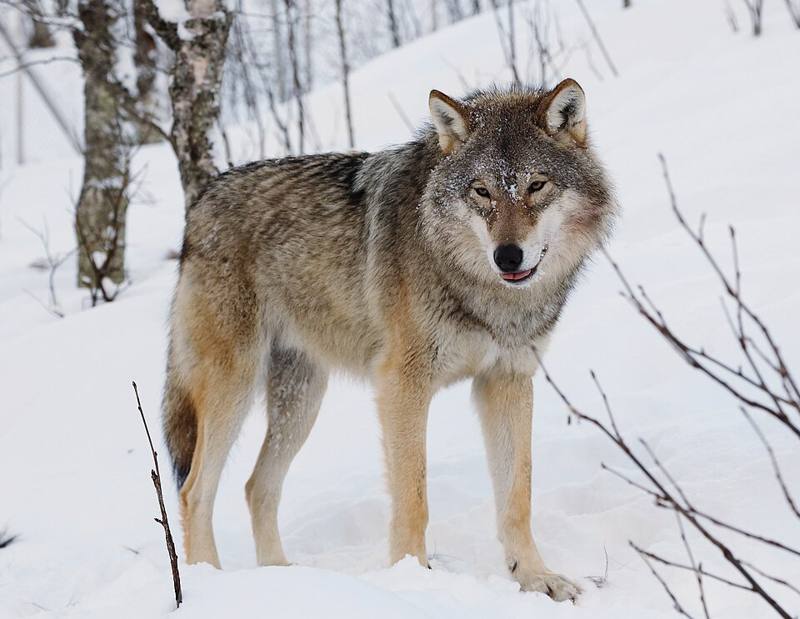
The wild ancestor-cousin of every pet dog, a family-living hunter of the Northern Hemisphere. Here is how wolf packs really work and why wolves matter to ecosystems.
Quick facts
| Fact | Detail |
|---|---|
| Scientific name | Canis lupus |
| Class | Mammalia (mammals) |
| Diet | Carnivore: deer, elk, moose, caribou, bison, beavers and smaller animals |
| Size | About 30 to 80 kg; northern wolves are generally the largest |
| Lifespan | Often 6 to 8 years in the wild; up to about 13 or more |
| Range | North America, Europe and Asia, from Arctic tundra to forests, mountains and deserts |
| IUCN status | Least Concern |
Habitat
Gray wolves have one of the largest natural ranges of any land mammal. They live in tundra, boreal forest, temperate woodland, mountains, grasslands and even deserts. What they need is prey and enough space away from heavy human persecution. After centuries of being trapped, poisoned and hunted out of large areas, wolves have returned to many parts of Europe and the western United States in recent decades.
Behavior
A wolf pack is usually a family: a breeding pair and their offspring from the last one to three years. The old idea of a constant battle for "alpha" status came largely from studies of unrelated captive wolves put together in enclosures. In the wild, the parents lead simply because they are the parents. Most young wolves eventually leave home, sometimes traveling hundreds of kilometers to find a mate and start a pack of their own.
Wolves hunt by testing herds, looking for animals that are young, old, sick or injured. Chases can be long, and many hunts fail. Packs defend territories that can cover hundreds or even thousands of square kilometers, depending on how much prey is available.
Howling helps pack members find each other and warns neighboring packs away. Wolves also communicate with body posture, tail position, facial expressions and scent marks. Read more in how animals communicate.
Wolves and dogs
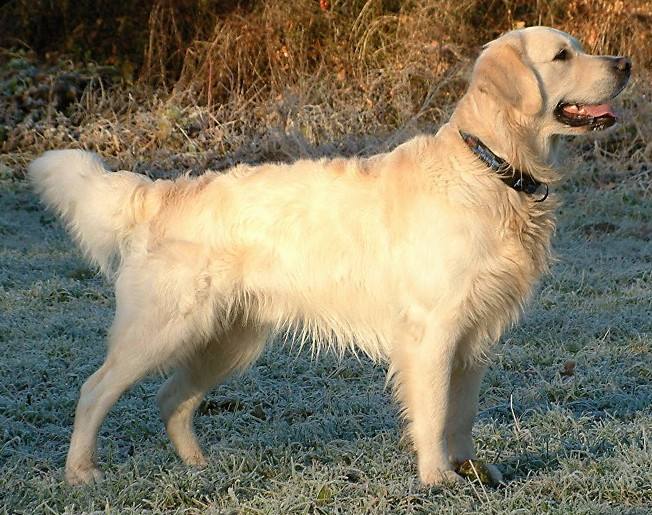
Domestic dogs descend from an ancient wolf population, and genetic studies show dogs and modern gray wolves share a common ancestor. Exactly when and where domestication happened is still debated, but it was at least 15,000 years ago. Dogs and wolves can still interbreed. Despite the family connection, wolves are wild animals and do not make pets. See our dog care basics for the domestic side of the story.
Surprising facts
- After wolves were reintroduced to Yellowstone National Park in 1995 and 1996, elk changed where and how they grazed. Many scientists link this to recovery of willows and aspens in some areas, though how big the effect was is still debated.
- Wolf pups are born deaf and blind and rely completely on the pack for food for their first months.
- A wolf can eat a very large meal in one sitting, then go days without food.
- The "lone wolf" is usually a young adult searching for a new territory, not an outcast.
Living with wolves
As wolves return to farming regions, conflicts over livestock come back too. Proven tools include livestock guardian dogs, night-time corrals, fladry (lines of flags that wolves avoid), and compensation for losses. Wolves rarely threaten people, but they are large predators and should always be watched from a distance.
Never feed wolves or any wild canid. Animals that learn to link people with food can become bold, and that rarely ends well for the animal.