Barn owl
A ghostly white owl that can catch a mouse in total darkness using hearing alone. Here is how its face, ears and feathers work.
Quick facts
| Fact | Detail |
|---|---|
| Scientific name | Tyto alba (some authorities now split it into several species) |
| Class | Aves (birds) |
| Diet | Mainly small rodents such as voles, mice and rats; also shrews and small birds |
| Size | About 33 to 39 cm long; wingspan roughly 80 to 95 cm; weight around 250 to 500 g |
| Lifespan | Most wild owls live only a few years; some reach over 10 |
| Range | Found on every continent except Antarctica |
| IUCN status | Least Concern |
Habitat
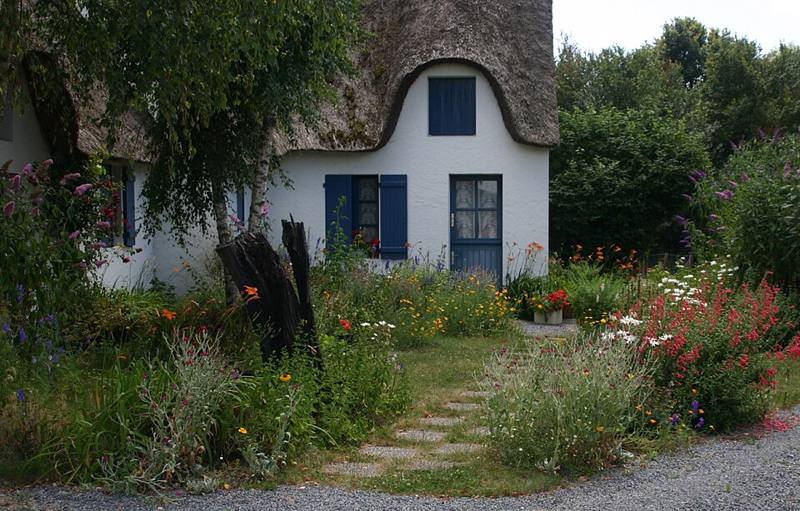
Barn owls hunt over open country: grassland, farmland edges, marshes and road verges where small mammals are plentiful. They nest and roost in hollow trees, cliff holes and, as the name says, in barns, church towers, old buildings and nest boxes. Because they depend on rough grassland full of voles and mice, changes in farming can affect them quickly.
Behavior
Barn owls are mostly nocturnal, though they sometimes hunt at dusk or by day in winter when food is scarce. They quarter low over fields, flying slowly back and forth, then drop onto prey feet first. They swallow small prey whole and later cough up pellets containing fur and bones. Pellets are so tidy that students dissect them to learn what owls eat.
Pairs often stay together and use the same nest site for years. In good vole years, barn owls can raise large broods and even two broods in a season. In poor years, many young birds starve.
Barn owls do not hoot. They make long, harsh screeches, plus hisses and snoring sounds from begging chicks.
Hearing in the dark
The barn owl is one of the best-studied examples of hunting by sound:
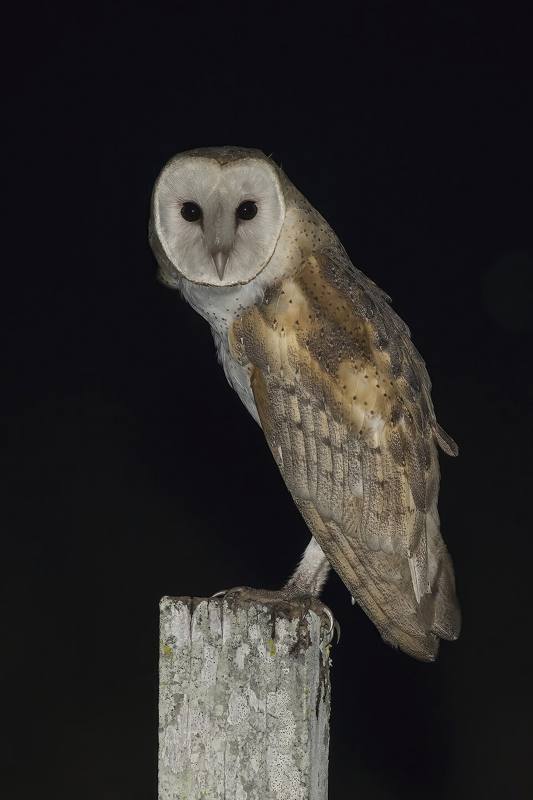
- Facial disc: the heart-shaped face acts like a satellite dish, funneling sound toward the ears. Owls can adjust it with facial muscles.
- Uneven ears: one ear opening sits higher than the other. Sounds arrive at slightly different times and volumes in each ear, letting the owl pinpoint a sound up and down as well as left and right.
- Precise brain maps: laboratory experiments have shown barn owls can strike prey in complete darkness using sound alone.
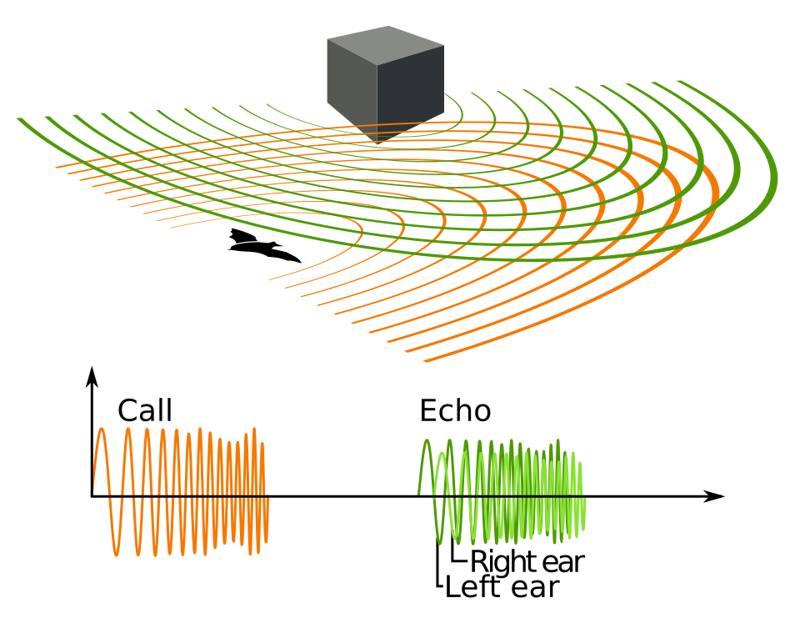
Barn owls do not use echolocation like bats. They listen to sounds the prey makes. Compare the two strategies in echolocation explained.
Silent flight
Owl wings are built for stealth. The leading edge of the main flight feathers has a comb-like fringe, the trailing edge is soft and frayed, and the feather surface is velvety. Together these break up the turbulence that makes wing noise. Engineers have studied owl feathers to design quieter fans and wind turbine blades.
Surprising facts
- Owls cannot spin their heads all the way around, but they can turn them about 270 degrees thanks to extra neck vertebrae and special blood vessel arrangements.
- The barn owl's eyes are tube-shaped and cannot move in their sockets, which is why owls turn their whole heads.
- Farmers in several countries put up barn owl boxes as natural rodent control instead of using poisons.
Threats and conservation
Barn owls are widespread, but local populations have declined where rough grassland has been lost, old barns converted, and roads built through hunting areas, since low-flying owls are often hit by vehicles. Rodent poisons are a major hidden danger, because owls that eat poisoned rodents can be poisoned themselves. Nest box programs have helped barn owls recover in several regions.
Avoid using rodent poisons outdoors. Traps and sealing entry points protect owls, hawks, foxes and pets. More ideas in how to help wildlife.