Emperor penguin
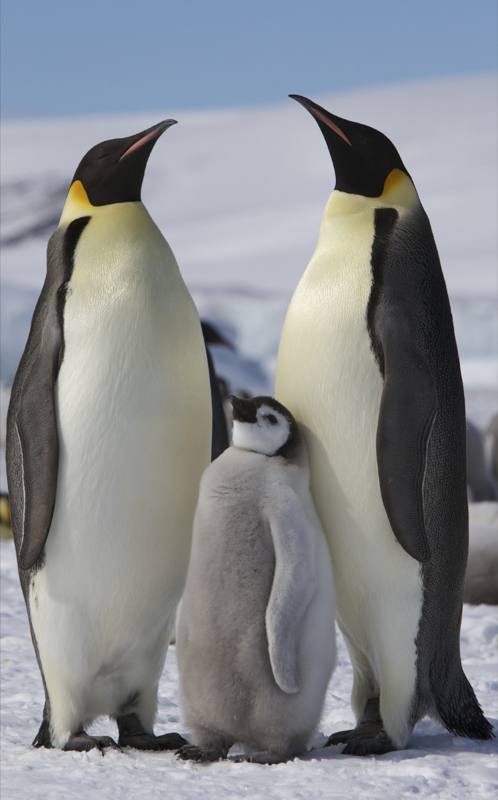
The largest penguin breeds in the depths of the Antarctic winter, with fathers balancing an egg on their feet for about two months without eating.
Quick facts
| Fact | Detail |
|---|---|
| Scientific name | Aptenodytes forsteri |
| Class | Aves (birds) |
| Diet | Fish, krill and squid |
| Size | Around 1.1 to 1.3 m tall; about 22 to 45 kg depending on season |
| Lifespan | Around 20 years in the wild |
| Range | Antarctica and the surrounding Southern Ocean |
| Conservation | Threatened by loss of sea ice; check the IUCN Red List for the latest assessment. The United States listed it as threatened under the Endangered Species Act in 2022 |
Habitat
Emperor penguins are true Antarctic birds. They breed in colonies on fast ice, sea ice that is firmly attached to the coast, and feed in the surrounding ocean. Scientists have found more than 60 colonies around the continent, many of them discovered from satellite images that show the brown stain of droppings on the ice.
Behavior and breeding
Emperors breed in the coldest, darkest time of year. Here is the cycle:
- Autumn (around April): adults walk, sometimes tens of kilometers, across the ice to the colony and pair up.
- May to June: the female lays a single egg, passes it carefully to the male and heads back to sea to feed.
- Winter: the male balances the egg on his feet under a warm fold of skin called the brood pouch for about two months, through temperatures that can fall below minus 40 degrees and fierce winds. He eats nothing during this time.
- Hatching (around July to August): if the female has not yet returned, the male can feed the chick a milky secretion from his throat. When she arrives, they swap, and he finally goes to sea to feed.
- Summer (December to January): chicks molt into waterproof adult feathers and go to sea, just as the sea ice breaks up.
Males survive the winter by huddling. Thousands of birds pack together, and the huddle slowly shifts so each bird takes turns on the cold outside edge and in the warm middle.
Built for the cold and the deep
- Feathers: several layers of tightly packed feathers form one of the densest coats of any bird.
- Fat: a thick fat layer insulates and stores energy for fasting.
- Heat exchange: blood vessels in the nose, flippers and legs recycle heat so little is lost.
- Diving: emperors are the deepest-diving birds, recorded at over 500 meters and staying under for more than 20 minutes.
Surprising facts
- Emperor penguins can fast for over 100 days if you count the long walk, courtship and incubation.
- Penguins cannot fly, but their wings are stiff flippers that "fly" them through water.
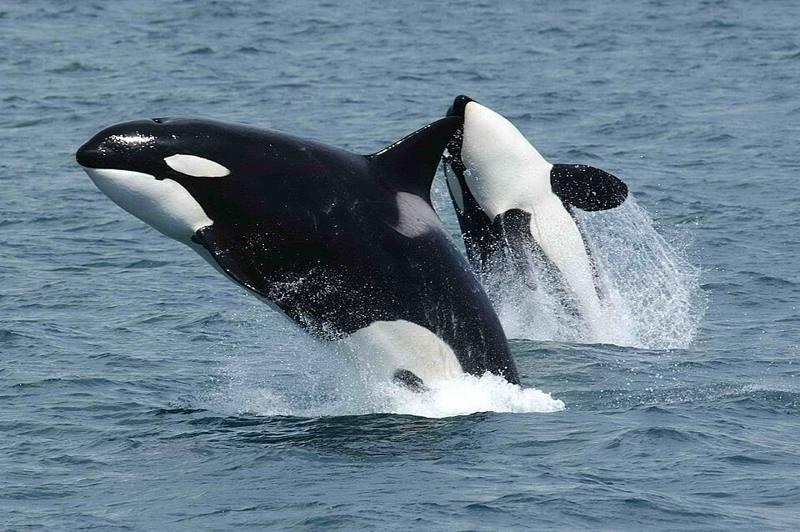
- Their main predators at sea are leopard seals and orcas; on the ice, giant petrels and skuas take chicks.
Threats and conservation
The emperor penguin's life depends on sea ice being stable from April to December. If the ice breaks up early, chicks that have not yet grown waterproof feathers can drown or freeze. In 2022, several colonies in the Bellingshausen Sea region suffered near-total breeding failure when sea ice melted early. Climate models suggest that most colonies could decline sharply by the end of this century if current warming continues. Learn how scientists rate extinction risk in our IUCN categories guide.
Emperor penguins do not "migrate" thousands of kilometers like some birds, but their seasonal walks between the colony and the sea edge are a remarkable journey. See animal migration.